Strength in Numbers #108
I am pumped for the up-and-coming launch of our new MLB Performance and Recovery Habits Course.
It will give you a systematic approach to fueling the body, preparing it for competition, integrating training that maximizes recovery, and going through an evening routine to restore the body so it can be durable day after day.
You cannot ignore your internal homeostasis, which is just a fancy word for balance.
When we talk about balance, it’s not just for the shoulder, as lowered pH, an indicator of higher acidity in the bloodstream, can really mess things up as well.
UNDERSTANDING pH
I work closely with professional baseball players who have had extensive injuries, some multiple surgeries. We first look at their internal pH, which is the delicate balance between acidity and alkalinity in the body.
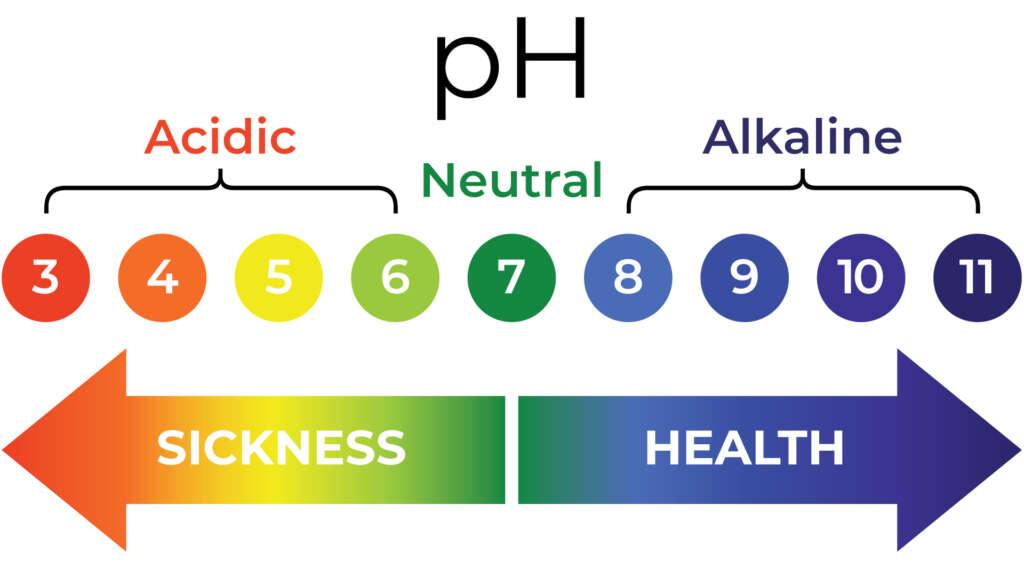
A pH value of 7 is considered neutral, with values below 7 indicating acidity and values above 7 indicating alkalinity.
Blood typically maintains a slightly alkaline pH of around 7.35 to 7.45, essential for optimal physiological functions. But in the case of urine, there is a broader range in response to what we put into our body and other biological processes.
What’s concerning is that I see pH values as low as 5 in older, oft-injured players, indicating that they are essentially too acidic inside their bodies.
WHAT IS AN ACIDIC ARM
An acidic arm is impacted by acidic blood, a condition known as acidosis, which can disrupt this balance, negatively affecting throwing arm health and performance.
Acidosis can occur due to various factors, including poor nutrition, dehydration, intense exercise, and metabolic disorders.
Here’s how it can impact baseball players:
1. Muscle Fatigue and Soreness
Acidic blood can lead to the accumulation of lactic acid inside the muscle cells, causing fatigue and soreness. This can affect a pitcher’s ability to generate power and maintain consistent mechanics throughout a game. Note that lactic acid is not high enough to come out of the cell into the bloodstream, but it could be highly concentrated inside the cell to a maximum capacity before leaching out of the throwing arm muscles.
2. Decreased Range of Motion
Acidosis can result in decreased joint flexibility, leading to a reduced range of motion in the throwing arm. A limited range of motion hampers a pitcher’s ability to execute different pitches effectively. Capsular constriction and reduced bursae fluid can affect the gliding of joints.
3. Delayed Recovery
Acidic blood impairs the body’s ability to efficiently clear waste products and toxins from muscles. This can lead to delayed recovery between pitching outings, increasing the risk of overuse injuries.
4. Increased Injury Risk
Acidosis weakens connective tissues, making pitchers more susceptible to injuries, such as ligament strains and tears.
5. Decreased Strength
This one should be obvious, but an acidic muscular environment impacts cellular function and may reduce calcium release into the muscle cell to expose binding sites for contraction. Other enzymes in creating ATP could also be impaired, which is the high energy bond that powers muscular contraction.
STRENGTH MONITORING AS A SIGNAL TO ADJUST NUTRITION
Proper nutrition and hydration play a pivotal role in maintaining the body’s acid-base balance.
ArmCare.com emphasizes the significance of a well-balanced diet rich in alkaline foods, such as fruits, vegetables, and whole grains. Staying well-hydrated is equally crucial, as water helps flush out acidic waste products from the body.
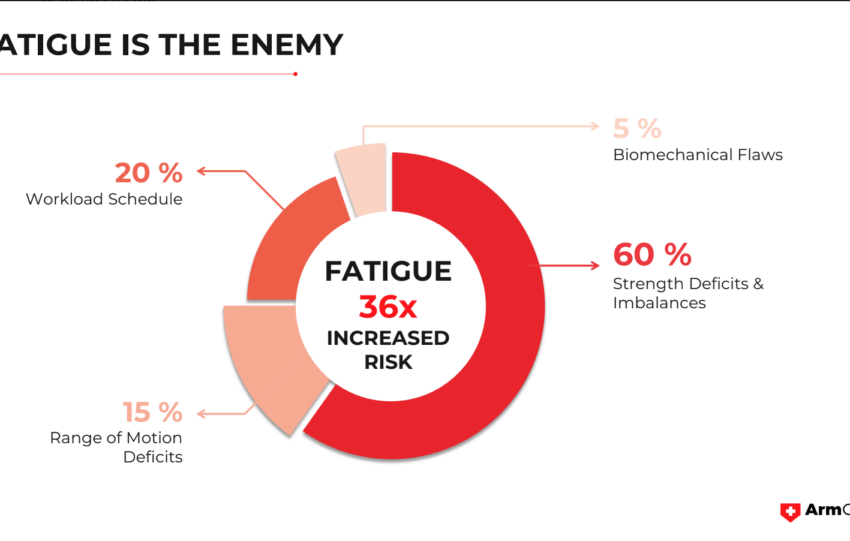
The ArmCare platform is the window into the soul of the throwing arm and reflects other factors that may not be optimized in an athlete’s ability to generate force, recover or handle fatigue. If you see strength deficits, imbalances, and weakness, check pH levels to detect and address acidosis promptly.
Pitchers should pay attention to their bodies and seek medical advice if they experience recurring muscle soreness, joint stiffness, or fatigue, as these may be signs of acidosis.
As a graduate of our MLB Performance and Recovery Habits Course, you will receive a diet plan to help manage pH levels in the bloodstream, along with controlling blood fat and antioxidant levels, in addition to naturally boosting testosterone, growth hormone, and micronutrients.
It’s coming soon and will be a game-changer.