Skip to content Skip to sidebar Skip to footer

All Posts

The Serratus Anterior: The Muscle That Moves the Shoulder Blade

Strength in Numbers - 273 When baseball players think about throwing-arm strength, the rotator cuff usually gets most of the attention. But beneath the shoulder blade is another key part of the throwing system: the serratus anterior. It doesn't directly throw the baseball. Instead, it helps position and control the platform that the shoulder depends…

Read more

Four Studies Every Throwing Athlete Should Know

Strength in Numbers - 272 Much of what now appears in the ArmCare app didn't start as a software feature. It began with research questions. How strong should a throwing arm be? Does body size matter? What happens to strength after pitching? Can mechanics change how the arm fatigues? Do coaches have the information needed…

Read more

Know Your Throwing Arm and Stop Blaming Velocity

Strength in Numbers - 271 Baseball can measure velocity down to the decimal point. But for years, we had a much harder time answering another question: How much strength, and what kind of strength, do athletes need to support their velocities? That question helped drive the development of the metrics we use today: ArmScore, Shoulder…

Read more

When Strength Changes, Pay Attention

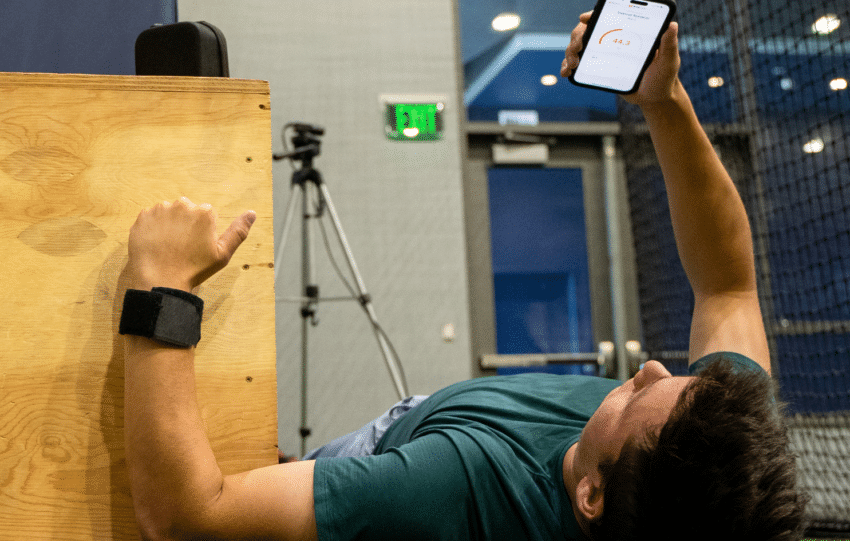
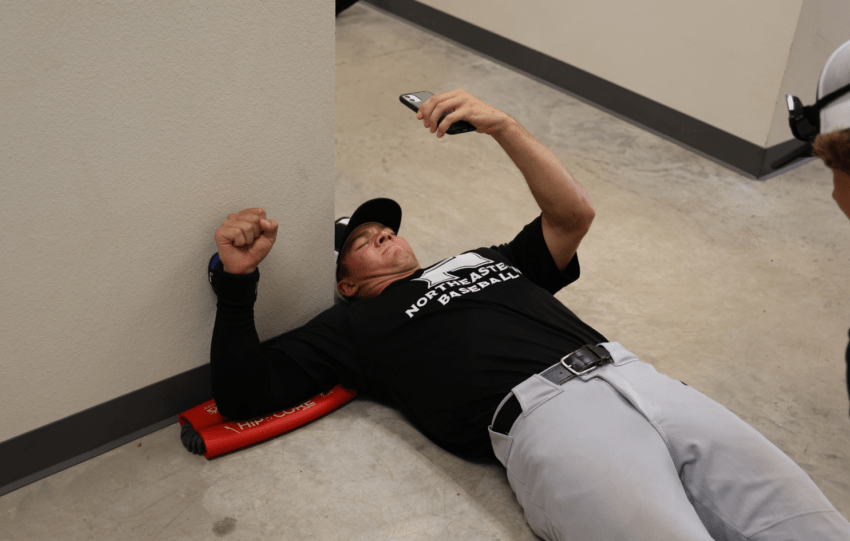
Strength in Numbers - 270 One question I get from time to time is how did we come up with our strength alerts? First, strength is not a fixed number. Humans live in organized chaos as it relates to functional measurements. Test a throwing arm repeatedly and the result will naturally move. Sleep, previous training,…

Read more

Fatigue Changes the Athlete Before It Changes the Radar Gun

Strength in Numbers - 269 Fatigue is often treated as something we can see. The other challenge is that 100% of everyone in the sport believes fatigue is something you feel, and that is not the case. Velocity drops, command disappears, mechanics deteriorate, and the athlete looks tired, but those may be the late signs…

Read more

Arm Strength Training Is Now More Intense, But Is It Effective?

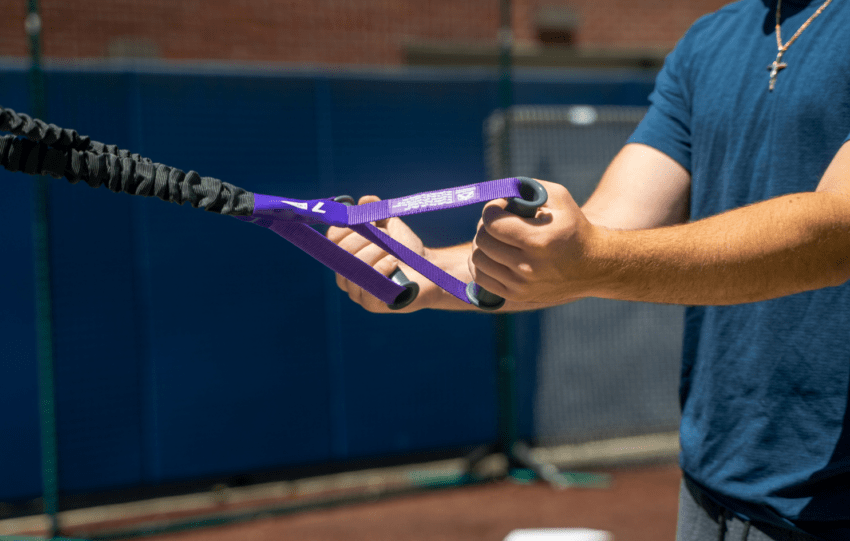
Strength in Numbers - 268 For years, baseball has treated “arm care” as something that happens around throwing. A few bands. Light dumbbells. Shoulder mobility. A standard warm-up. Maybe a few exercises after throwing, or a crazy 2x12 exercise program with 20 reps per set to fully burn out the arm. Those things may have had…

Read more

Is Building Force Quickly More Important Than Building Maximum Force for the Throwing Arm?

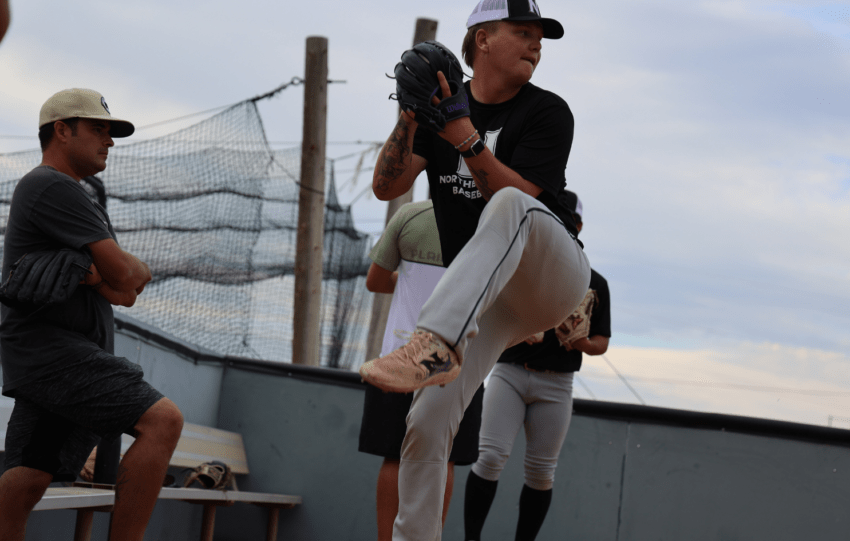
Strength in Numbers - 267 In studying the pitching delivery, most players who throw 90mph or faster release the ball in under 150 milliseconds after the foot hits the ground. That means a pitcher has only a fraction of a second to produce and control force. It's a very different conversation than just asking "How strong is your arm?"…

Read more

Is Your Arm Strong Enough for Your Velocity?

Strength in Numbers - 266 We've had plenty of ways to measure how fast an athlete could throw for years in professional baseball. First, we measured catching velocity as soon as the ball crossed the plate, but now we have advanced radar tracking that captures the ball right out of the hand. What we didn't have was an equally…

Read more

Big Pitchers Need More Strength

Strength in Numbers - 265 When I say strength matters most, it's not just a catchy phrase but scientifically true, and I have seen so many careers be demolished because of a lack of it or an imbalance. When I was with the Angels, I put a lot of planning into customized arm-training programs, monitored athletes stringently, and also…

Read more