Strength in Numbers #247
After years of studying the throwing arm and working with athletes at the D1 and MLB levels, I’ve seen a consistent pattern emerge.
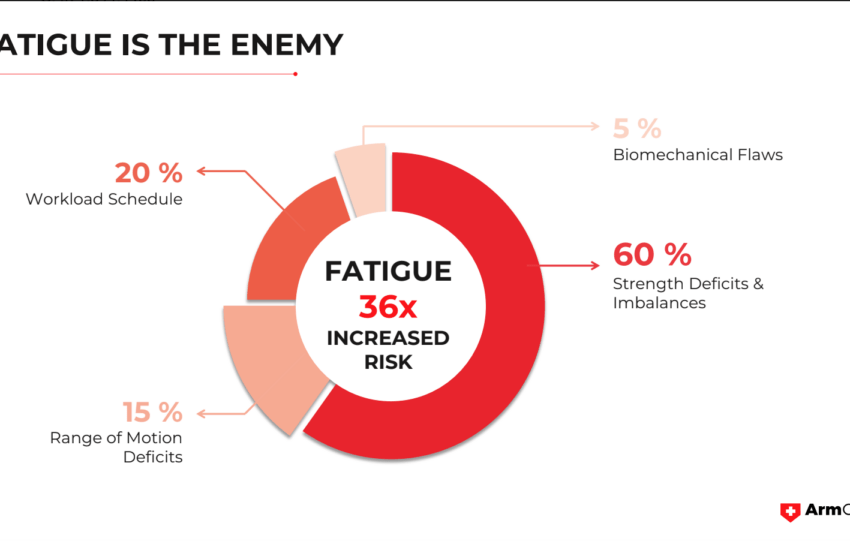
You can build arm strength…but if you don’t manage the right variables, the risk doesn’t go away.
Over and over again, I’ve seen athletes improve force output while imbalances stick around, and in many cases, that force doesn’t translate the way we expect.
Because true arm health doesn’t come from just getting stronger. It comes from getting the right things working together.
There are two factors that matter most:
1. Workload Management
Throwing is high-intensity training.
Every throw places stress on the arm, and that stress accumulates over time.
If how much you throw and how often you throw isn’t monitored, you can quickly exceed what your tissues are prepared to handle.
That’s where problems start. But workload alone isn’t the full story.
2. Shoulder Balance
The shoulder is stabilized by a system of muscles.
When that system is balanced, force is distributed efficiently across the joint. But when it’s not, certain tissues take on more load than they should.
And that’s where risk shifts — often downstream to the elbow.
Balanced strength around the shoulder allows the arm to absorb and transfer force as it’s designed to, rather than concentrating stress in one vulnerable area.
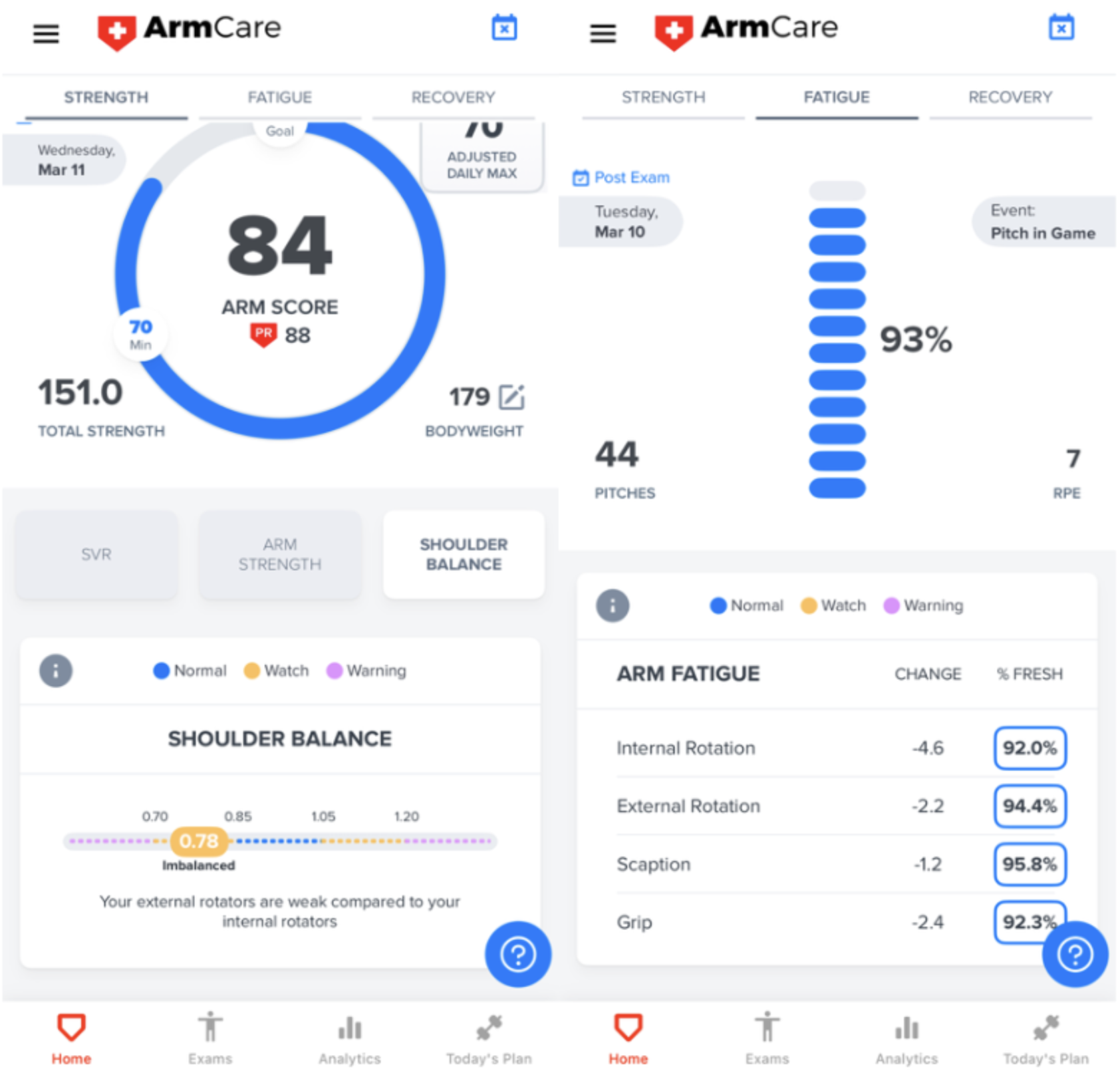
Two critical factors to account for in training approaches are an athlete’s shoulder balance and how the athlete responds to workload. This is effectively measured with the Shoulder Balance and Fatigue scores in the ArmCare App.
Bringing It Together
Most people focus on one or the other.
They either try to control the workload without addressing the system, or build strength without considering how much stress they’re adding.
The reality is — you need both.
We break this down in the video below using a simple analogy that changes how you think about arm care, workload, and fatigue entirely. Because at the end of the day, it’s not just about how much you throw…
It’s about how your arm actually responds to it.
When workload is managed and the shoulder is balanced, the arm has a far better chance of staying healthy, durable, and performing at a high level.
Strength Matters Most.
Ryan
Ryan@armcare.com