
Strength in Numbers #12
As we've discussed before, good hip-shoulder separation is a crucial component for better pitching , but there's more to it than just increasing the stretch. In this article, we'll cover the three important things to help maximize hip-shoulder separation:
(1) Tissue Extensibility
(2) Speed of Stretch
(3) Separation Time.
These key features…

Ryan Crotin, PhD CSCS RSCC, Executive Vice President

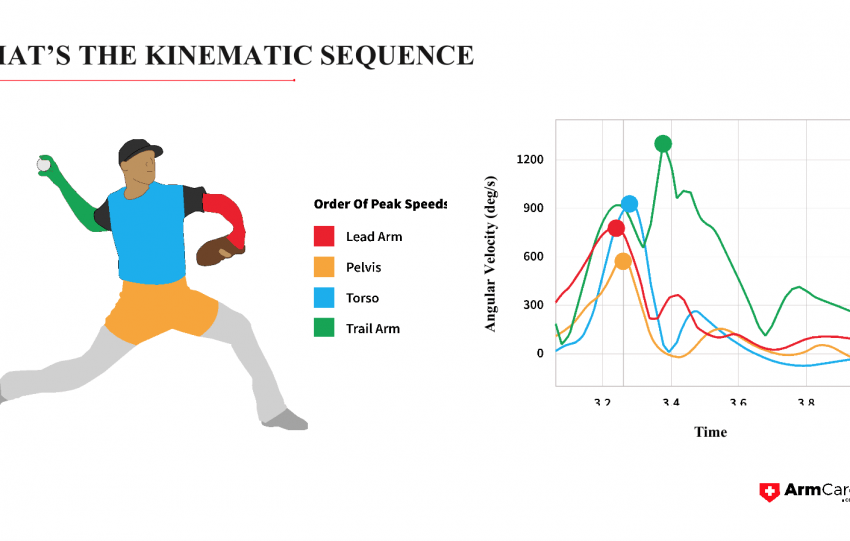
Understanding the kinematic sequence is crucial to players and coaches as it's the cornerstone for effective pitching. To learn more about the kinematic sequence, start with this episode of the More Than Velocity Podcast , where we break down the details.
Now, to look at rotation in more detail, biomechanists evaluate the kinematic sequence. Essentially, the…
Strength in Numbers #11
Think of your body's muscles and connective tissues as a series of elastic bands, and when stretched, they pull back with greater force and increased power.
The largest one is in your mid-section between your pelvis and trunk and becomes stretched when the hips and trunk rotate in opposite directions. For example, if…
Strength in Numbers #10
Understanding the kinetic sequence is massively important to players and coaches as it's the cornerstone for effective pitching. To learn more about the kinematic sequence, start by getting a sneak peek at our upcoming More Than Velocity Podcast, where we break down the details.
Now, to look at rotation in more detail,…
Strength in Numbers #9
If your arm care training is only done with your hands in the air using cuff weights, bands, and dumbbells, you may be leaving important strength gains on the table for your throwing arm.
This week's Strength in Numbers indicates why it's vital that some of your training is done with…
Strength in Numbers #8
A recent article shares some staggering results about the state of arm care for pitchers. A group of 242 professional baseball players tested internal and external rotation strength against a fixed dynamometer, and what was found did not make sense...
Pitchers train their throwing arms much more frequently than position players—typically daily for…
Strength In Numbers #7
Have you ever described a pitcher's delivery as stressful, violent, choppy, and think they must be at a greater risk of injury? Or, like many coaches and sports scientists, you may assume that the athlete with greater elbow torque must have a more stressful delivery. If so, you may be labeling…
Lead Leg Blocking is Essential to Throwing Hard
Lead leg blocking refers to the stride leg directing force into the ground to decelerate the body's forward momentum headed toward the plate. It is essential that the lead leg block transfers as much linear energy as possible into rotation.
Strength in Numbers #6
What does "lead leg block" mean? A great conversation with a prominent cricket performance coach inspired this week's ArmCareIQ session, as lead leg blocking mechanics are so different between pitching and cricket.
In this week's Strength in Numbers, I'm excited to deliver new research on lead leg blocking mechanics focused on how…
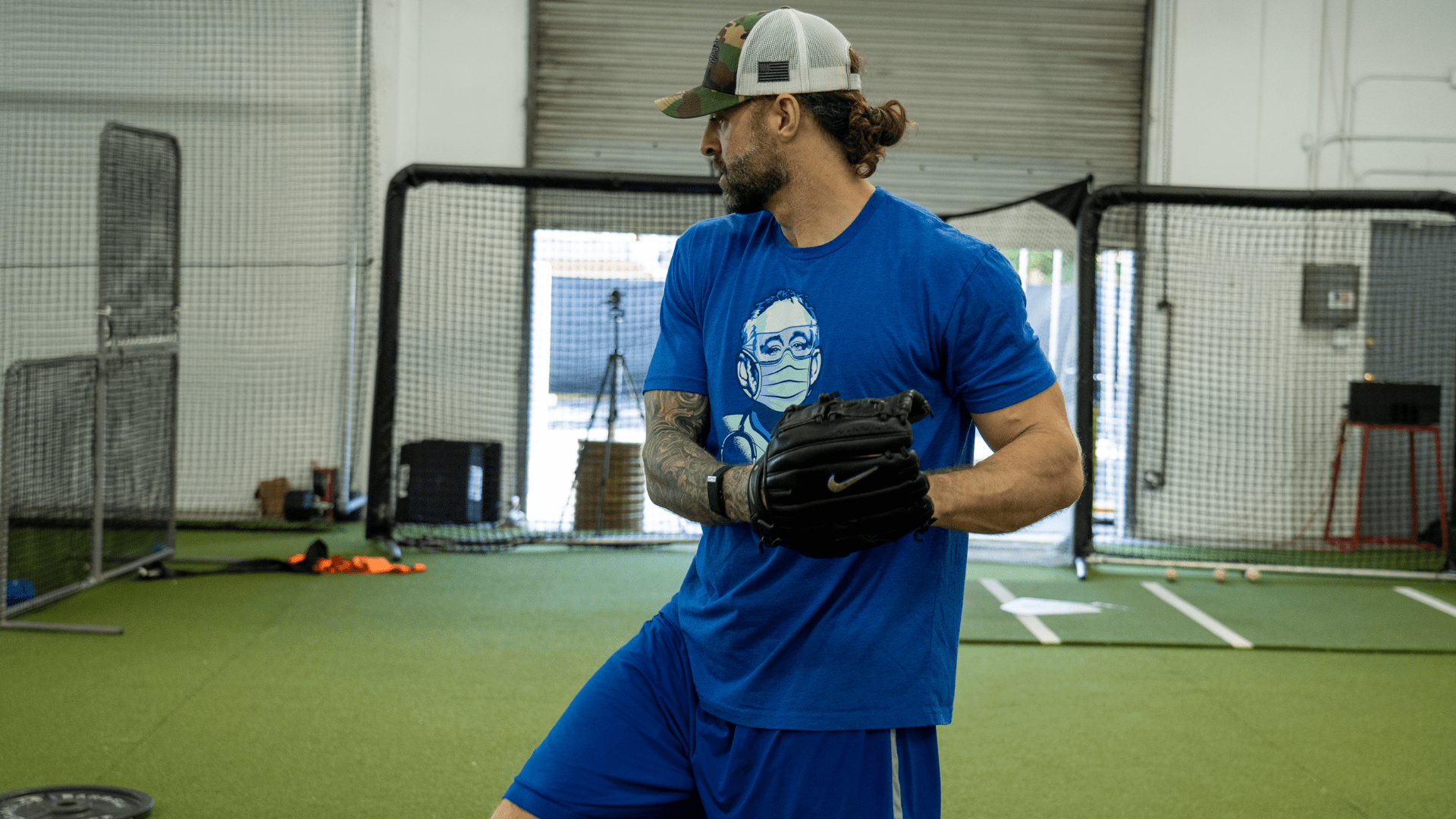
You'll hear a lot from us about how strength measurements are key in picking up on fatigue which leads to reduced performance and injuries in baseball players , but in this article, you'll see how it's also a metric for pitching efficiency.
One of the common phrases you hear about a pitcher is that …