Strength in Numbers #202
In today’s ultra-competitive collegiate baseball landscape, the difference between winning and losing isn’t always talent — it’s team collaboration.
One of the most important areas where this synergy matters most is pitcher health. Without healthy arms, your rotation shortens, your bullpen wears out, and your season becomes a grind.
Protecting the throwing arm isn’t just the job of one coach or trainer — it’s a unified mission that includes everyone involved with the athlete: coaches, strength staff, athletic trainers, performance analysts, and the athletes themselves.
Learn more about how your team can be unified, data-led, and cutting-edge, translating to greater performance, lowered injury risk, and, most importantly, wins.
The Power of Communication: Understanding Fatigue, Recoverability & Performance Risk
Pitcher health starts with communication. A powerful feedback loop is created when pitchers are empowered to report fatigue, recovery challenges, or nagging arm symptoms without fear of losing playing time or status. This loop allows coaches and medical staff to intervene before minor fatigue turns into major injury.
The most successful teams listen to the body’s early warning signs and actively measure recoverability using tools like strength testing, range of motion data, and workload tracking. By integrating this data, teams can prevent injury and ensure athletes are truly ready to perform at their best when it matters most.

Understanding the differences in workload management, individualized pitch counts, and training approaches is essential. Immersing yourself in education has high recovery yields and minimizes fatigue after pitching a complete game shutout.
Fix the Weak Links: Imbalances and Weaknesses in the Throwing Arm
Chronic imbalances in the throwing arm — especially in the rotator cuff, scapular stabilizers, and forearm musculature — are major red flags. These imbalances often lead to compensation patterns, degraded mechanics, and increased elbow and shoulder stress. When these problems go unaddressed, the risk of UCL injuries, labral tears, and chronic inflammation skyrockets.
The most progressive programs are now identifying and correcting these issues through routine strength and coordination testing, not just during rehab, but throughout the season. That’s where ArmCare.com shines — educating and giving teams the data they need to pinpoint asymmetries and build individualized programs that close the gap between strength and skill.
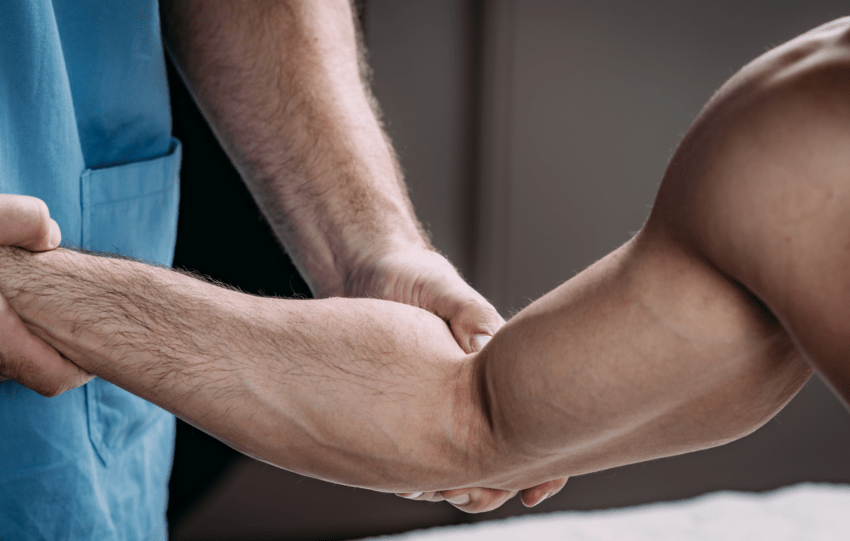
We take a comprehensive approach to working with teams. Here, we are going through some T-spine mobility and incorporating hip extension range of motion, and we enjoy providing a highly applied experience.
Motor Preferences: Strength + Skill = Consistency
Every pitcher has a motor preference — a natural way they move, load, and deliver the baseball. But strength without coordination, or coordination without strength, limits development. To create consistency in mechanics and reduce variability in performance (and injury risk), pitchers need training that links motor control to strength development.
That means integrating strength and coordination concepts, not isolating them. A strength coach may build a strong rotator cuff, but that may not translate to performance without matching that to the pitcher’s delivery pattern. When strength and skill are developed together, the result is a more durable, efficient, and repeatable movement—the hallmark of elite pitching.
We examine the team’s exercises and add some biomechanics context—this is the focus of Strength and Coordination Training. You can turn your weight room training into improving mechanical efficiency, stability, power, and form. This is the perfect collaborative approach to maximizing performance and health for all stakeholders.
The ArmCare.com Advantage: Unified Education for Unified Success
To truly level up, collegiate teams need to go beyond testing—they need education. ArmCare.com now offers Intensified Team Education Programs called the Team Accelerator, which bring together players, coaches, medical staff, and analysts for a unified learning experience.
This isn’t just a training session; it’s a system for building a collaborative culture focused on pitcher health and performance.
By equipping every team member with the tools and knowledge to:
- Assess and manage workloads
- Optimize game and training schedules
- Monitor recovery and strength trends
- Stay ahead of pain and dysfunction
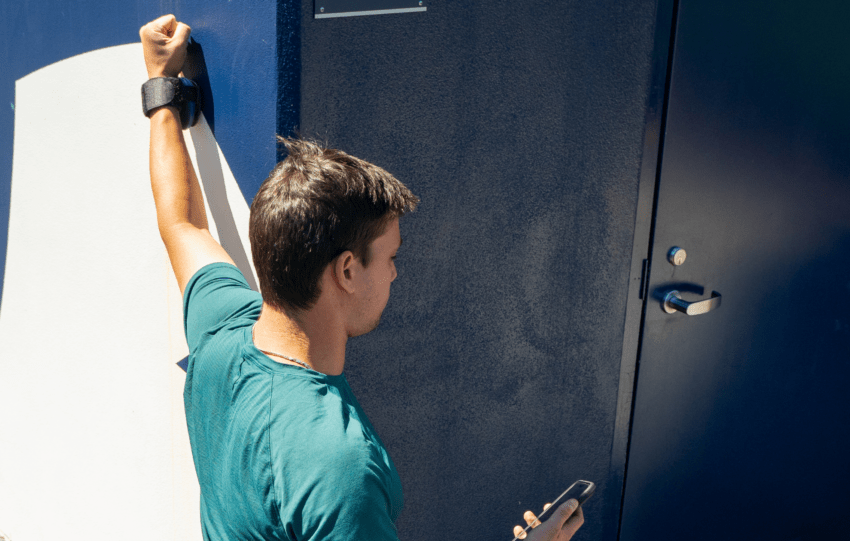
Coach Kachel from NJC is working with Jordan Oseguera, our company’s Director of Pitching Performance, to ensure an integrated approach for the entire team. Here, the athlete is doing active internal rotation range of motion testing.
Why It Matters
Baseball injuries are rising. The UCL injury rate alone is reaching historic highs. But with the right collaboration and infrastructure, your team can stay ahead of the curve, preventing injuries and keeping players performing at their peak all season long.
Invest in communication. Build a team culture that supports honest conversations about pain and performance. Equip your program with the tools to test, train, and develop pitchers more intelligently.
For Coach Kachel at Northeastern Junior College, he has had four years of injury-free pitching in integrating the ArmCare.com platform, back-to-back years in the regional championship, and back-to-back Region IX Pitchers of the Year—success all around

This proves that success starts with collaboration. And success begins now for colleges all around the country.
Strength Matters Most,
Ryan
Ryan@armcare.com