Strength in Numbers #26
In the dictionary, “resolution” is defined as “a firm decision to do or not to do something.” For one, if you focus on the “do not” side of the resolution definition, you will lessen your chances of success to carry out the changes you want to make. In coaching, athletes acquire skills more effectively when cued what to do rather than what not to do. We are the same. We need to focus on what to do. For example, you could have the two statements:
- I will no longer eat dessert
- Instead of dessert, I will eat low sugar fruit
It should be easy to see that the second statement commits more to memory and evokes action. With this said, resolutions on their own, especially if spoken rather than written and not constantly revisited, are generally unsuccessful, whether positive or negative. Therefore, we need to replace the thought of resolutions as statements and formulate them into goals.
To have the greatest amount of success, you should have no more than three important goals to keep focused on accomplishing. I remember on the first of the New Year that I would focus on too many goals and realized that I did accomplish three of them each year that were focused on sport, academics, and personal relationships.
To properly construct a goal, we need to follow the acronym SMART.
S – Specific
M – Measurable
A – Attainable
R – Realistic
T – Time-Based
Here’s an example of one I have used in the past that covers these elements:
This season, we will reduce our injured list days by 25% from last season and keep our Tommy John cases under 5.
Now once the SMART goal is written, you need to have a plan for what needs to be done to accomplish the goal. One aspect could be introducing the ArmCare.com platform that can give objective information on how the throwing arm is functioning so that programs can be tailored to each athlete. You should also set a reminder for periods when you can check on your progress, and you may have to adjust your goals if you are not realistic enough.
After setting the goals and the methods you will use to attain them, you must identify barriers. This is hugely important. You must consider what will stand in your way. Is it time? Is it finances or the need for additional personnel to implement the goal-attaining approach? These are items that must be considered as they will prevent you from reaching your goals.
The nice thing in this example is that the ArmCare.com platform is virtually barrier-free. It’s cost-effective, does not require any additional personnel as it’s player-led and takes very little time in assessment and the turnaround on data is instantaneous.
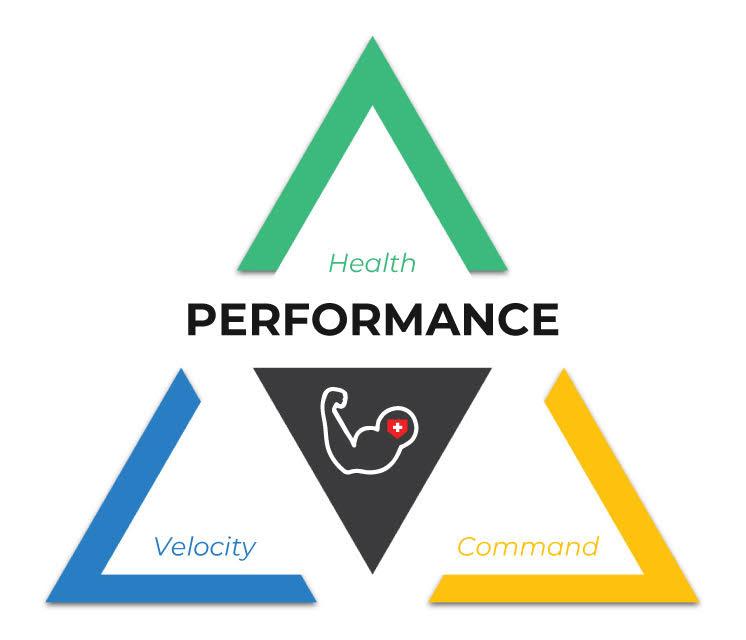
Don’t hesitate to reach out to me at ryan@armcare.com if you have similar goals for yourself and athletes, as we want to help you achieve them in improving throwing health, velocity, and command.
Related Content
-
Ben Brewster with Tread Athletics (More Than Velocity #14)
Ben Brewster is the co-founder and president of Tread Athletics, the author of Building the 95mph Body, and is still putting himself to work to learn how to best help players avoid the setbacks that he had encountered during his playing career.