Strength in Numbers #150
Caffeine, one of the most widely consumed psychoactive substances in the world, has found a significant place in sports performance, particularly in baseball.
Caffeine offers a quick boost of energy and focus for pitchers, especially relievers called upon in the late stages of games.
However, if athletes want to optimize their game safely, they must understand how caffeine works on the brain, its effects on athletic performance, and the potential danger of excessive consumption.
How Caffeine Works on the Brain
Caffeine operates primarily by blocking the action of adenosine, a neurotransmitter that promotes sleep and relaxation.
Adenosine accumulates in the brain over the day, leading to increased feelings of tiredness. By binding to adenosine receptors without activating them, caffeine prevents adenosine from exerting its calming effects. This results in increased neuronal firing and the release of other neurotransmitters like dopamine and norepinephrine.
This biochemical cascade enhances alertness, reduces perceived effort, and improves focus and reaction times.
Enter a reliever who has come to the ballpark at 1 pm.
He’s trained, done his throwing program, and had his pre-game meal, but sadly, he has done nothing but sit, spit seeds, and tell stories until the 7th. He then pounds two Red Bulls and is ready for the call in the 8th inning at 935 pm at night.
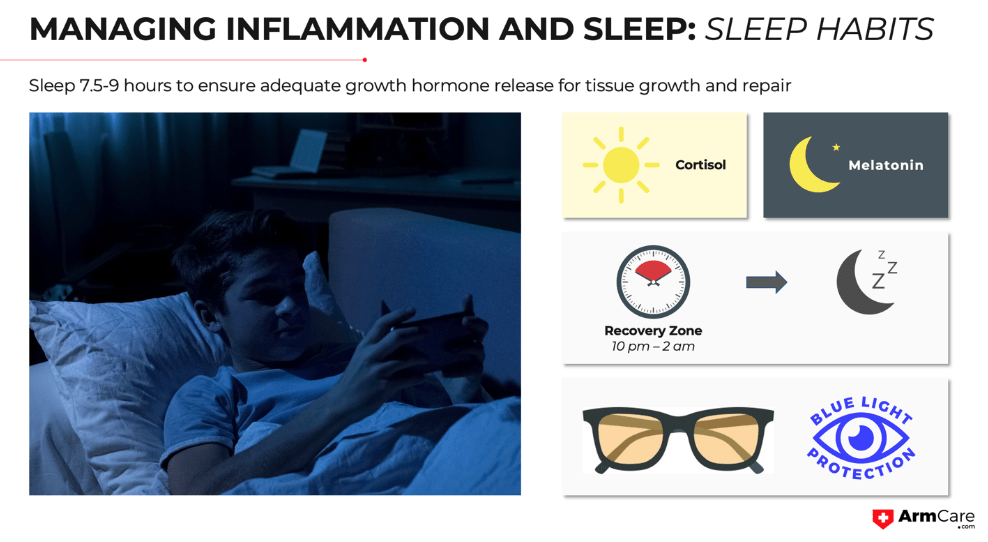
There has to be a better way to groove the motor pathways and a better way to improve alertness through endorphins over caffeine. Sleep is of the essence, and the late-inning guys cannot wind down until after 2 am (the end of the growth hormone release stage).
Recovery of the throwing arm is sacrificed as he has to jump on a plane at 7 am and get into a new town to do it all again.
Current Research on Caffeine and Athletic Performance – The GOOD
Numerous studies have highlighted caffeine’s ergogenic benefits—its ability to enhance physical performance. Research shows that caffeine can:
1. Improved Endurance: By mobilizing fatty acids from fat tissues and making them available as an energy source, caffeine helps preserve muscle glycogen, thereby improving endurance performance. Glycogen is the stored form of glucose in muscle cells. By sparing the glucose in the muscle and utilizing the glucose sources outside the muscle, there’s more opportunity for sustained contractions to maintain velocity and command.
2. Enhance Strength and Power: Caffeine has been found to increase muscle contractility, which can translate into greater strength and power output during high-intensity, short-duration activities. This comes from increased catecholamines (adrenaline) to increase contractile force and velocity—the intersection of greater throwing power.
3. Reduce Perceived Effort: Athletes often report feeling less tired and perceive their exertion levels to be lower when using caffeine, allowing them to push harder and longer.
Current Research on Caffeine and Athletic Performance – The BAD
While moderate caffeine intake can offer significant performance benefits, excessive consumption carries risks that can negatively impact athletic performance and overall health. Sadly, most high school, college, and pro athletes are overcaffeinated, and there are negative consequences over time. Don’t even get me started on energy drinks – if you cannot pronounce what’s on the label, it’s probably a good idea not to put it in your body.
1. Cardiovascular Risks: High doses of caffeine can lead to increased heart rate, elevated blood pressure, and arrhythmias, posing serious risks for individuals with underlying cardiovascular conditions. I cannot tell you how often athletes tell me they want to increase their caffeine levels to feel like their hearts will explode. Two Red Bulls in the back pockets of baseball pants = 230 mg of caffeine.
2. Sleep Disruption: Caffeine’s stimulant effects can interfere with sleep patterns, leading to inadequate recovery and decreased performance over time. This is particularly concerning for athletes who rely on quality rest for muscle repair and mental clarity. I mentioned this previously, but it’s more amplified on getaway days where sleep is further disturbed. Hotels vary beds, temperature, ambient lighting, room noise, etc. It can improve or degrade sleep latency (speed of getting to sleep), which cuts into the growth hormone window of goodness.
3. Dehydration: Although caffeine is a mild diuretic, the dehydration risks are relatively minimal with moderate intake. However, excessive use can exacerbate dehydration, especially in hot and strenuous conditions. This one concerns me for minor league teams in Arizona. There is not enough water in the day to fend off 115-degree heat that can be over 100 degrees at night. If you consume caffeine, you need to have a strong hydration plan.
4. Jitters and Anxiety: Overconsumption of caffeine can lead to jitteriness, anxiety, and impaired motor coordination, which are detrimental to a pitcher’s precision and control. I have a few athletes I advise who are hypersensitive to caffeine, and we formulate alternatives to improve alertness and muscle relaxation and reduce the fight or flight response, which for some athletes increases muscle tone too much, making them tight and also having them perseverate on how they feel rather than staying in the moment.
Striking the Right Balance
To harness the benefits of caffeine while minimizing risks, pitchers should adhere to the following guidelines to make it safer:
Moderate Intake: Limiting caffeine intake to 3-6 mg per kilogram of body weight can provide performance benefits without significant side effects. For most athletes, this translates to about 200-400 mg of caffeine maximum. Start with the lowest effective dosage, and try to abstain from it when you are not in competition.
Timing: Consuming caffeine 30-60 minutes before a game can maximize its performance-enhancing effects. Avoiding caffeine late in the evening can help prevent sleep disturbances. This becomes most challenging for closers. I suggest that after games with closers, they perform a short, intense workout (15 minutes with a brief burst of anaerobic power and four strength exercises) to metabolize some caffeine to increase their winding down. If sore, cherry juice can be effective in raising melatonin, and a glass of milk about 1.5 before bed can also increase tryptophan and keep you hydrated overnight.
Hydration: Getting deeper into the hydration aspect, maintaining adequate hydration is essential, particularly when consuming caffeinated beverages, to counteract any mild diuretic effects.
Individual Response: Athletes should be mindful of their tolerance to caffeine and adjust their intake accordingly. What works for one athlete may not work for another.
Overall Thoughts
Caffeine can be a powerful tool for enhancing athletic performance, especially for baseball pitchers needing a quick energy boost and focus during critical game moments.
However, using caffeine wisely and in moderation is crucial to avoid potential adverse effects. By understanding how caffeine works on the brain and body and following best practices for its use, pitchers can optimize their performance while safeguarding their health.
If you want to improve your preparation process, take advantage of our Bulletproof Arm Course bundle. You will get a deeper perspective and handouts on how to apply the information.
Now, it’s time for a decaf coffee. It has just a hint of caffeine, which is good for me when my adenosine levels rise during the day.
If you drink decaf, look for brands that use Swiss Water methods to strip the caffeine, as most large coffee chains use paint strippers to remove it, and it can be cancerous!