Strength in Numbers #20
As an athlete, I never took time away from training.
I had a thorough program where I threw year-round. Then at times, I would grind through two-a-day sessions with split routines, anterior chain lower body in the morning, upper body posterior chain at night, followed by the opposite the following day, and add mobility and range of motion recovery day every third day.
It was intense, but I now realize that it’s vital to appreciate instances when athletes need to unplug.
Overtraining is a real thing, and most baseball players actually experience it in the offseason. Lifting and sprinting sessions are less frequent and shorter during the pre-season and in-season. In the offseason, it’s not unusual for athletes to go 5-6 days a week with training sessions lasting more than 75 minutes at a time.
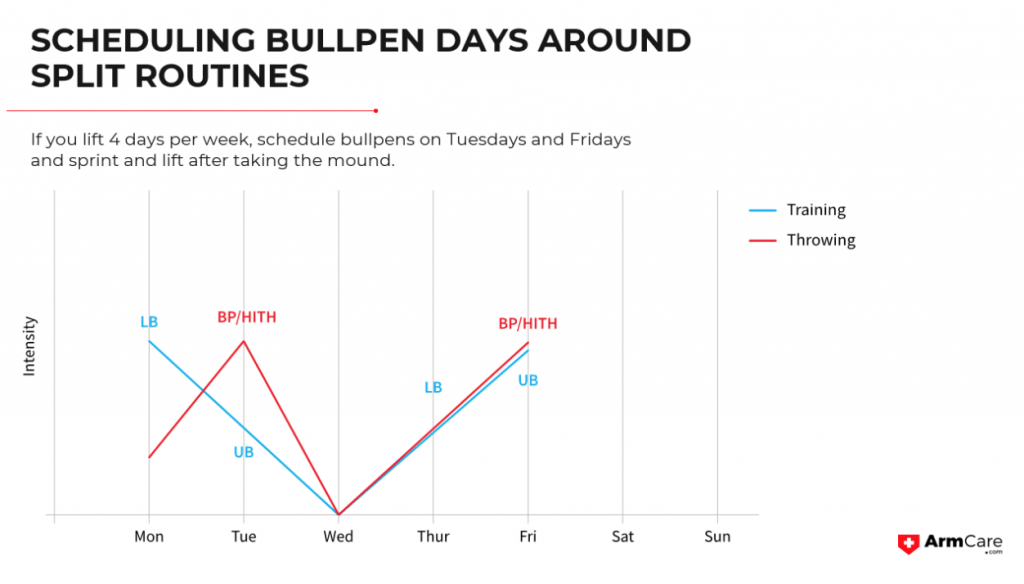
When overseeing strength programs in professional baseball, we ran 4-day load, 1-day deload, and weekends off schedule. Then we had throwing programs alternate with training, and throwing deloads on Wednesdays corresponding to our lifting and conditioning programs.
I loved Wednesdays because it was a reward for players, and it gave them more than an opportunity for their physiology to recharge. You can see how I look at offseason training schedules here, including bullpens/velo days on Tuesday and Friday.
Overtraining can impact cognitive homeostasis.
People tend to look at overtraining physical symptoms, such as reduced strength levels, elevated heart rates, lowered heart rate variability, and a host of other body-based expressions. But what about the mind?
Overtraining can cause burnout, lack of motivation, and a wide array of cognitive stress signals, such as lack of concentration, increased time to react, irritability, poor sleep, all affecting performance.
These aspects may have more significant and profound effects on recovery, as cortisol levels (a well-known stress hormone) can increase in the bloodstream from cognitive influences and affect immune function and glucose metabolism. This can leave the athlete exposed to altered repair function after workouts and lowered energy levels during training.
Crazy to think that your brain can cause significant physical disturbances, especially when it comes to maximum strength.
See the Psychophysiologic Injury Determinant pathway here as changes in cognitive function can affect sleep, nutrition, and hormones to reduce strength, and our message is “Strength Matters Most” when it comes to health and performance in baseball:
Although we have talked about players and overtraining, coaches too can experience burnout. I can attest that I have gone through instances of burnout and have noticed my coaches also experience the same.
Carefully placed work involvement in the offseason is important for both you, as the leader, and your staff.
If you are in strength and conditioning or sports science, your gig in baseball is year-round, but the offseason is your time to shine.
Although you have fewer athletes coming into the complex in the offseason, you get to test new ideas, new technologies, develop new approaches to high performance, and of course, go through data to prepare your next level of education for the athletes and coaches you serve.
I would realize my burnout because once the Thanksgiving holiday came about, I didn’t want to do any work and wanted to sleep much longer than usual. Without these instances in our lives, we cannot be successful.
Before you set programs:
- Think about when your athletes will have instances of recovery.
- Build around those days and ensure you de-load frequently and around holidays in the offseason.
- Give your athletes the physical and mental break they need, and if you have a de-load Wednesday, don’t stick to having the athletes come in all the time and give your staff a day off as well.
They will appreciate it and will be better in the long run with the right work-life balance. Speaking of work-life balance, I am now officially on a weeklong holiday, so I am practicing what I am preaching and won’t have any new content to share this week. But I pulled together some of the highlights for this week’s Strength In Numbers in case you missed them.
Keep training hard, and remember to give yourself a break from time to time.
Related Content
-
Tom House, The Mustard App, & Pitching Development (More Than Velocity #12)
In this episode of More Than Velocity, we are honored to share this wide-reaching conversation with Tom House and Dean Doxakis from The National Pitching Association.