Strength in Numbers #237
There is a well-known speed-accuracy trade-off that I see every day in my work with athletes. And if any piece in this puzzle is missing, arms explode.
The pattern is almost always the same…
An athlete shows up with chronic elbow pain and consistently uncover three red flags:
Unknown throwing-arm strength (or clear strength deficits that were never identified)
A rapid spike in velocity without appropriate workload or tissue progression
Declining strike percentages paired with rising pitches per inning, even in highly recruited and professional-level players
If you’re working with youth or high-school athletes, you’re likely seeing this too.
Because this pattern is so repeatable, the following Performance Pyramid has become the backbone for all my high-performance throwing and pitching plans.
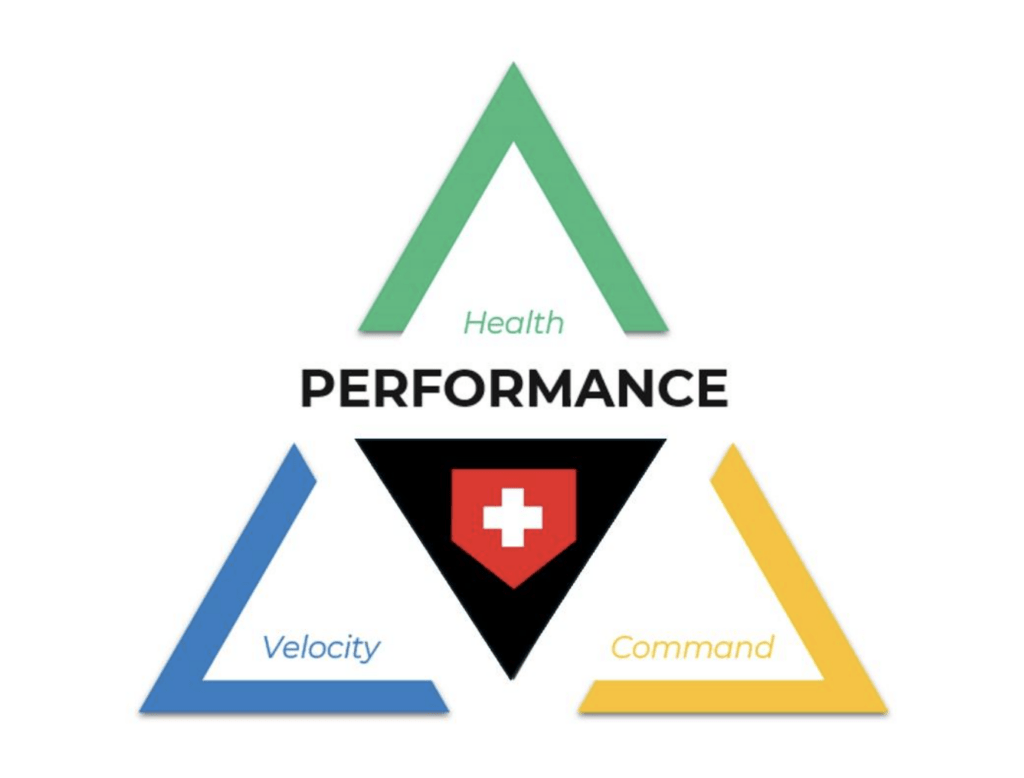
Health
Improving overall readiness by balancing strength, range of motion, and building accountability through testing and comparison tracking—so athletes know exactly where they stand.
Velocity
Conditioning the arm to produce high forces sustainably, building endurance and power without outpacing the tissues’ ability to adapt.
Command
Developing body awareness, repeatable mechanics, and efficient movement patterns so velocity actually shows up in the strike zone.
Basically, no one cares how hard you throw ball four – but I DO CARE how hard a player throws strikes and can do that consistently without damage.
So, commit this model to memory.
If your player-development plan isn’t addressing health, velocity, and command together, you’re standing on shaky ground.
Strength Matters Most,
Ryan