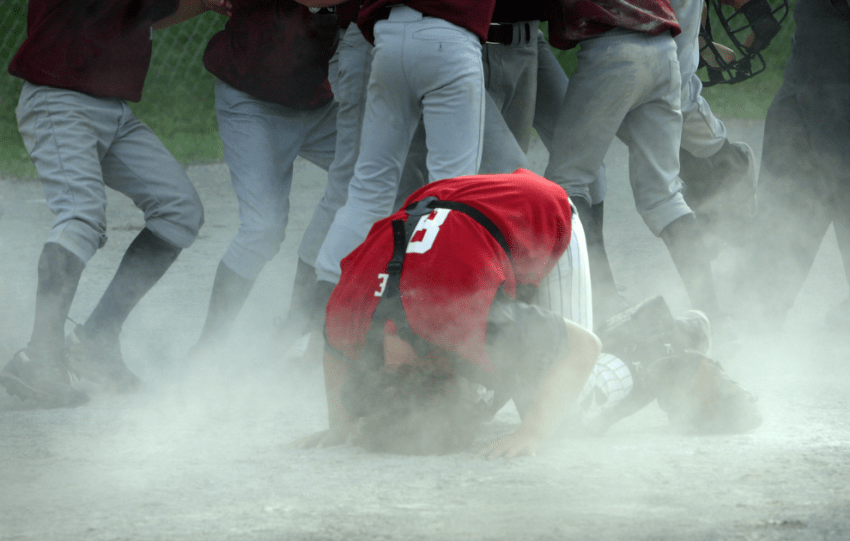
Strength in Numbers #80
The aftermath of the ABCA conference has been a whirlwind.
Within 45 days, I delivered a presentation for the 2022 Virtual Baseball Performance Summit and launched our Certified Pitching Biomechanist Course at Exos in Phoenix, AZ.
Then the following weekend, I spoke at the Wake Forest Conference at the Bridge Conference. Throughout the holidays, I prepared two important presentations for the ABCA Conference.
And to top it off, the inception of our ArmCare Elite Night came together with an exclusive event at the ABCA conference that will connect the dots between strength, range of motion, motion capture, ball flight analytics, and competitive outcomes for the baseball community.
In total, there were more than 250 slides presented, totaling over 17.5 hours of listening to me speak.

CONNECTION AND AUTOREGULATION
Although we are building the most comprehensive player development model in baseball, balancing performance and health, we are missing a big piece of the puzzle – understanding cognitive loading on athletes, our coworkers, staff members, and ourselves.
Most of what I have written in previous newsletters focuses on the biomechanical, physiologic, biochemical, and analytical perspectives of performance. Still, the one I have yet to really touch on is the mind.
We’ve got to appreciate the cognitive demands that athletes face, even when we don’t see it.
In this newsletter, I want to teach you about my F’D UP BURNOUT CYCLE so that you learn the stages of burnout in your athletes, teammates, and yourself.
You must autoregulate your cognitive demands when you notice the signs, much like our app indicates to coaches and athletes in monitoring and managing physical fatigue.
THE F’D UP BURNOUT CYCLE
My wife says I have a tireless work ethic, and I like to think that she’s right. I could sit in front of a computer 12 hours a day creating, thinking, innovating, connecting, and educating, but that is not always the best practice every given day.
As an interdepartmental leader, I studied myself and the staff around me, evaluating their ability to focus and grind, react to stress, and both my personal and team members’ motivation—all of those things mentioned above are not entirely consistent across the board in responding to cognitive demands.
I studied burnout in them and their causes and will give you some insight into my research in the next newsletter, but the rules are the same for yourself and everyone else, and most importantly, you need to know the signs.
To begin, much like your athlete’s training programs, you need to waveload (also known as undulate) your cognitive workload.
Much like overtraining, when you start to experience the first sign of the F’D BURNOUT CYCLE, it’s time to autoregulate and reduce cognitive demands, or you will begin to overreach and underperform.
I will describe each stage of the F’D UP Burnout Cycle in this one, and in the next newsletter, we will get into how you combat it.
As pro athletes are getting ready for Pitchers and Catchers camp and minor leaguers will mini-camp in less than a month, you need to understand that they are starting to rise in cognitive loading, applying greater force to their grey matter.
Some are returning from injuries and fear re-injury or battle thoughts if they will ever be as good again. Some have high adrenaline to get back at it, and some athletes are contemplating retirement and making this year their last.
Without a conversation, there’s no way to gauge this accurately, but you can look for the signs, as people only communicate 20% of their thoughts.
Right now is the most stressful time of the year—the anticipation, the unknown, the offseason regrets, the lack of time or preparation, the lack of planning or observation, and worse, the lack of communication and having athletes fall through the cracks.
The first pitch is coming fast, and for some, it has already started. So you must be aware and look for signs that an athlete needs a mental break.
1. FORGETFULNESS
The first thing I note in myself and people approaching burnout is that they become forgetful. We lose the right words, miss meetings, and let basic things slip, like forgetting to eat.
Notice how those around you forget and notice how you forget and start to build an action plan about how to adjust your cognitive demands in practice, at home, at work, and in your community.
2. FATIGUE
When I held meetings, I would evaluate yawns, daydreaming, having to repeat myself more than once, and coaches taking naps when no athletes were in the weight room training.
These things alluded that my teammates were headed for burnout or losing touch with the work they were performing and their purpose.
You notice things in yourself, like having a busy mind and growing anxiety about forgetting important details. Along with struggles to fall asleep and wake up in the morning.
If you require your alarm every morning to get up, rely on an extra cup of coffee, and are starting to become forgetful, you have hit this stage of the F’D Burnout Cycle.
3. FRUSTRATION
As the burnout cycle starts to run a little hotter, the forgetfulness, not paying attention to details, and the fatigue from missing deadlines and struggling to get through the day enters frustration.
You will notice this as an emotional response in yourself, your teammates, and your athletes.
Minor irritants show up as big problems. For example, staff members may complain about a player’s actions or how the department is being run, or things in their personal lives become hard to shake.
In yourself, you may notice little things like having an extreme reaction to something mundane like having difficulty untangling headphones or something that is typically not so alarming but really raises your blood pressure. So if you are sweating the small stuff, welcome to frustration.
4. FAILURE
This is the level where you do not want to go because it’s the final stage of burnout.
This one is the one that changes careers and has people looking for something else to do that might be less demanding. Or, they may perceive other avenues as more fulfilling because they believe they are failing.
When our athletes, teammates, and ourselves get here, we believe we are not living up to what we believe is the best of what we can offer.
This one is tough to change. I witnessed a physical therapist in MLB resign unexpectedly because he believed he was not performing, but he was actually doing incredible work to everyone else. But, unfortunately, he did not feel he was the sports medicine professional he thought he could be or once was.
At this moment, you, your athletes, or your staff may have maintained your standard of work and decided to leave because you were not living up to your own measuring stick. Unfortunately, for many people, let alone coaches and athletes, this is the pivot point to leave the game, change a career, or take time off.
If you experience this in your life, either personally or through working with others, the best thing is to support those seeking a change and allow them to take the time they need, including yourself.
I wrote a piece on a friend of mine and someone I admire in Ty Buttrey, who left the game because he literally went through many of these stages and was also unable to find comfort in his environment. He was frustrated and needed to make a change.
He’s proof that you can download your cognitive demands and rise to a higher level over time. He broke the news to us about his comeback after taking a year off from Major League Baseball before a podcast we ran, and he mentioned he was now playing for the pleasure of the game, not the pressure of it.
Pleasure rewards the brain. It cognitively deloads us neurochemically, which is the secret ingredient to deep work versus the opposite being pressure.
Pressure builds in many ways, but when you get to the point of perceived failure, the pressure consumes you or those you coach or work with daily.
I am thinking of you all at this point in the year. The pro season is starting soon, NAIA season is beginning, kids are coming back to college for NCAA seasons, and people are zipping around without being in the moment and possibly feeling underprepared.
So stay tuned for next week as I discuss strategies to reset cognitive overload in your athletes, staff, and yourself.
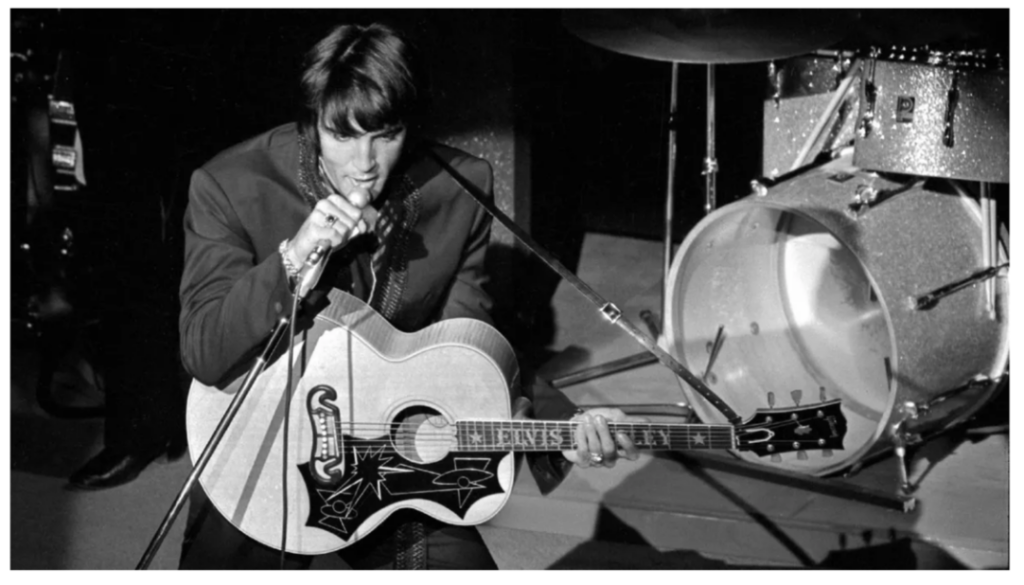
Before I decompress for the weekend, I will leave you with something to think about and a picture of the King.
Elvis Presley was famed for his capacity to work. 636 sold-out shows and worked two shows a night, seven days a week, for a long-time until he died.
You must take burnout seriously in yourself, coworkers, and athletes, as if it gets out of control, it can be damaging. No telling how much more successful the King could have been if he had undulated his physical and cognitive demands and autoregulated to avoid overtraining his mind.
So stay tuned for more on how to waveload your cognitive demands and overcome stages of the F’ED Burnout Cycle next week. One thing you will not hear from me is “unplug,” but instead, plug in and power up as you ride the waves!
Plug-in with family, food, fun, and plans this weekend. These are the important F’s to combat the F’D UP Burnout Cycle.