Strength in Numbers #4
Athletes today are throwing smoke, but at the MLB level, does velocity alone put out fires?
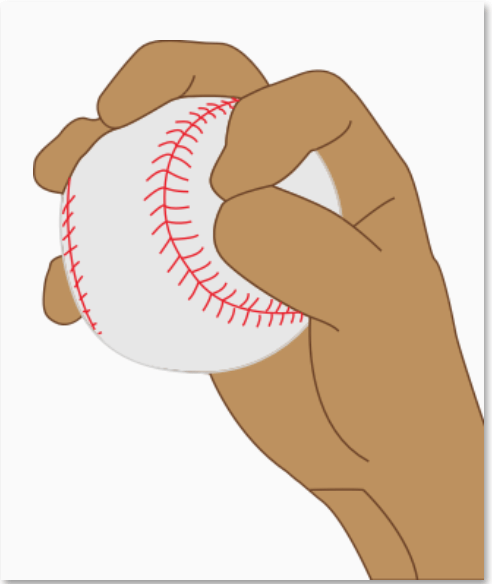
In this week’s blog and ArmCareIQ, we dive into one of the slowest pitches thrown, being the change-up, and provide a rationale for why it should be taught more at the developmental stages of the sport.
Change It Up
Talking with some scouts, a fastball alone can get you drafted, as you need a minimum of one plus pitch, and that’s usually the heater. But our preoccupation with throwing fastballs from a young age seems to be knocking kids out of the game by setting up the shoulder and elbow for increased throwing stress.
Not to mention, if the athlete does excel at higher levels of the sport, a pitcher must have more than a fastball, as it’s hard to be a proven MLB pitcher and a one-trick pony.
By introducing the change up at an early age we can reduce the number of baseball injuries, and develop more complete pitchers while we’re at it.
Better for Arm Health
Based on physics, the change-up offers orthopedic benefits.
When you accelerate the arm as fast as possible, you will have greater force applied to the elbow and shoulder and increased injury risk. The research shows that fastball percentages are a significant predictor of future injury (ref).
However, the change-up may be protective, as the acceleration of the throwing arm is lower, leading to reduced forces on the arm (ref). We need more research on the percentage of change-ups thrown and health outcomes, but it’s a logical way to reduce the overall load to the throwing arm and keep kids from getting hurt.
Better for Performance
Throwing faster can reduce decision-making time for hitters. Still, as hitters get better, they adapt and become more successful at recognizing fastballs and making earlier determinations if the pitch will be a ball or strike.
There is an optimum velocity range at the MLB level for recognizing fastballs. Pitchers that throw slower than 91mph and offset their fastball with other pitches tend to find more success versus increasing their throwing velocity to 93mph and relying on their fastballs more frequently.
If you have ever been a hitter sitting on a 1-0 fastball and then served a change-up, you know what I am talking mean by disrupted timing and popping out to the catcher.
Therefore, velocity at the MLB level helps, but it is not the be-all or end-all, nor does it separate good pitchers from great pitchers. Instead, the ability to mix velocity, change locations and offset timing will cause more swing and misses ahead of the ball and behind it.
Bottom line, if you spend most of your time on velocity development, maybe it’s time you “change” it up.
We look forward to hearing from you. Please feel free to reach out to us with comments or questions to support@armcare.com.