Strength in Numbers #153
The “White Whale”, as he called it.
I will never forget my former GM, Billy Eppler, standing in front of a room with a whiteboard, mapping out a strategy to maximize performance and minimize injury in front of the Angels leadership.
The “White Whale” was his euphonism for a huge competitive advantage and one that commands the rough waters of an MLB Season.
I was given an opportunity to architect a process known as the 360 Athlete Approach.
The 360 Athlete Approach was a multidimensional system that united training, skill development, scouting, sports science, and sports medicine to assist our club in protecting athletes from injury, accelerating physical development, expediting return to performance times, deepening analytics to predict future performance, but most importantly, narrowing the search in procuring the best amateur talent in the game.
It was an interweb of departments that required evidence-based practice and practice-based evidence to have everyone put the oars in the water and row in the same direction.
The department I headed up was called Performance Integration. It began with me, Jordan Oseguera, the current Director of Pitching Performance and Head of Sales for ArmCare.com and my pitching analyst then, an Assistant Director, and 3 interns.
Our baby was preventing throwing arm injuries with the greatest athletes in the game, and we did just that.
There were four essential functions that led to success for the department:
- Observation
- Communication
- Implementation
- Evaluation
Here are the details of what each of these functions entailed.
Observation
This means we collected modifiable information, not purely descriptive information like finger length or height, and that metrics could be evaluated longitudinally. My staff was going nuts the first few years collecting many things that we could train and coach into and out of players, only to see an intercorrelation table in year four and see us build our martini glass (a lot is poured into a martini glass, but the stem is narrowed precise and goes on longitudinally.) We found that metrics for a lot of what we tested highly correlated with each other, showing us where to eliminate certain testing procedures and focus our approach.
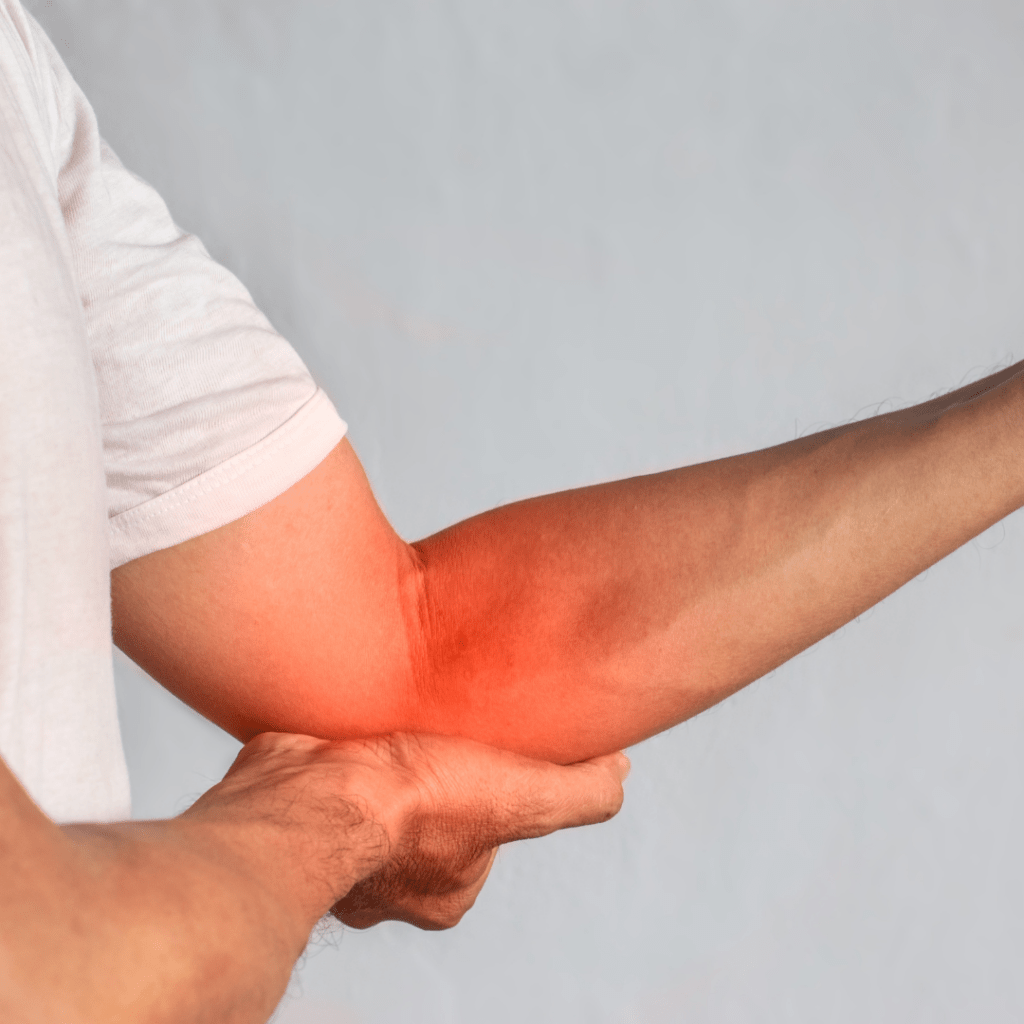
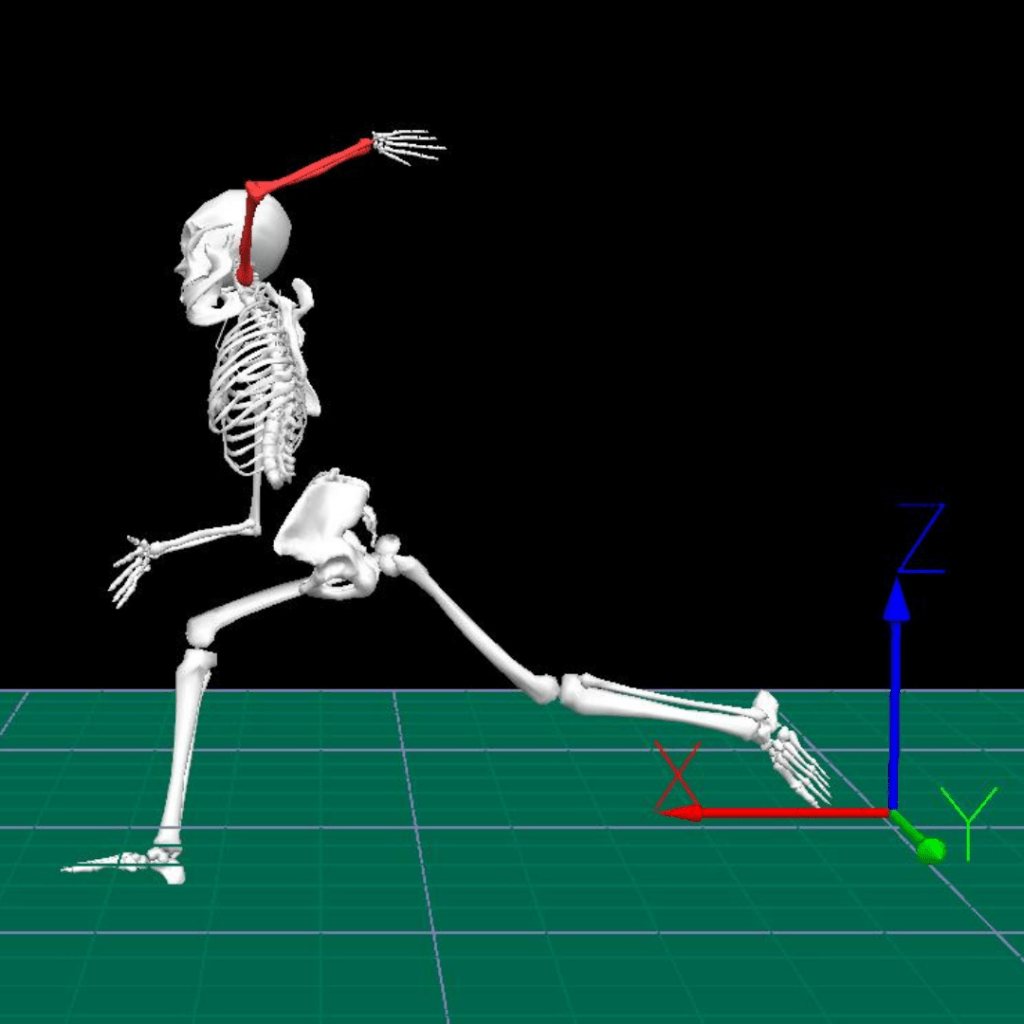
There were eight fundamental monitoring pathways, and we created process documents so that everyone knew what they had to be responsible for and mapped out schedules for collecting data to make dynamic adjustments. Each monitoring pathway had 4 critical, modifiable variables to act upon, totaling 32 unique metrics that were evaluated and executed to eradicate throwing arm injuries and dominate throwing arm performance.
The 8 Monitoring Pathways of The 360 Approach


Communication
Speaking amongst the leadership team is an essential next step. We see what to modify, but we must communicate how to deliver the suggested approach to the affiliate coaches and players to create buy-in. That’s where the WHAT, WHY, HOW, and WHAT come in.
- WHAT do you see in the data that needs adjustment?
- WHY is changing the modifiable factor important?
- HOW will the athlete make the adjustment?
- WHAT are the benefits should the athlete execute on the player plan?
Implementation
Carrying out the player development plan had both a centralized and decentralized approach. Leaders of each department would communicate the adjusted player development plan to their staff. Yet, the affiliate staff also had the opportunity to modify it should they see the athlete negatively responding to the plan, and that requires the affiliate staff to welcome criticisms so they know where to pivot.
For example:
Pitcher X is showing a decline in throwing first-pitch strikes. His release point data did not appear different; however, when looking at his biomechanics, he has a significant glove side lean, and his arm strength data shows lowered external rotation strength that has furthered the athlete’s imbalance that was already skewed toward much stronger IR muscles. The athlete has also indicated greater lead knee extension from the foot flat position after footstrike until ball release with a coincident elevation in knee extension velocity going from 380 degrees/sec to 485 degrees/sec. It is a mouthful, but everyone has a place at the table to improve the athlete’s performance and work from the same map.
EVALUATION
Looking in the mirror is tough, but you have to evaluate how the approach fared for the athlete. Did they re-stabilize, improve to a higher level, or continue to slide? The key is determining what you learned about the process to expedite results, and you better start by ensuring your athletes have no strength or length issues when throwing their arms. If you suggest an approach that weakens the arm and you don’t pivot, you are putting the athlete and your career at risk.
One key piece often overlooked at this stage is studying the athlete’s archetype to determine what traits respond best, accelerate performance in the current system, and sustain results.
That’s where Hurston Waldrep comes in.
A 360 Athlete in the League in Under 365 Days
Hurston Waldrep, a former standout pitcher for the University of Florida, has made a remarkable journey through the minor leagues, culminating in his recent Major League Baseball (MLB) debut with the Atlanta Braves.
Waldrep’s rise to the majors has been swift and impressive, showcasing his exceptional talent and dedication to the sport. What you do not know is that he checks all the boxes and can observe himself, communicates his needs, implements player-informed strategies, and works well with his coach staff. Last but not least, he is in a constant state of evaluation for improvement. He is proverbially the consummate baseball learner and good enough, but not good enough for Hurston.
Drafted 24th overall by the Braves in the 2023 MLB Draft, Waldrep quickly advanced through the minor league system. In just a short period, he progressed from Single-A to Triple-A, demonstrating his prowess on the mound with a stellar 1.53 ERA in 29 1/3 innings during his first half-season of professional baseball. In his 2024 season, he started at Double-A Mississippi, where he continued to excel, earning a promotion to Triple-A before finally being called up to the big leagues.
Not one person can say, “Finally!” but rather, “Already?” as this kid rocketed through the minor leagues in less than 365 days without any gaps in competitive pitching like other first-rounders experience as they go on vacation in their first year out of the draft.
In his MLB debut against the Washington Nationals, Hurston faced some difficulties, allowing 7 runs on 4 hits and 4 walks in 3 2/3 innings. Despite the tough start, his journey to the majors is a testament to his talent and determination. I know when this kid loses, he wins because he learns.
He’s seven years younger than the league average at his position, but when you speak with him, he has tremendous knowledge, which is becoming wisdom; he’s forming an understanding of what works and what doesn’t, paving the way to his success.
Players like Hurston are rare. That 360-degree Athlete only comes around once or twice per draft, a player who knows what he wants and how to get there, but he holds the map and can take detours when he sees where to modify to keep him on course.
Above all, Hurston prioritizes understanding his arm strength, which matters most to me.
Check out our podcast with Hurston here, where he discusses the College World Series, the MLB Draft, and how he’s using ArmCare.
Ryan
Ryan@armcare.com