Strength in Numbers #180
Environmental and psychological stressors can have profound effects on athletes, impacting not only their mental health but also their physical well-being.
This is especially true for baseball players, where repetitive high-stress movements like throwing can result in arm injuries that are often linked to stress-induced physical impairments.
Understanding the connection between environmental stress, psychological factors, and athletic injuries is essential to ensure long-term health, performance, and injury prevention.
We have family time right now. For some, being around their family can create stress, and for others, relaxation and comfort. The stress response is individual, and early detection and intervention are essential to be ready to go as soon as the New Year hits. Read on to fully grasp the interconnection between stress and injury.
Psychological Stress and Its Physical Manifestations
Psychological stress impacts athletes on multiple levels, influencing their motor control, muscle function, and recovery.
Stressors such as pressure to perform, competition demands, fear of injury, a term known as “kinesiophobia,” or even personal life can lead to physical impairments that increase injury risk.
A rift with a loved one, friction, or judgment, which can happen, can do rough things on the body and lead to injury.
How Psychological Stress Leads to Physical Injuries:
- Increased Muscle Tension:
Heightened stress causes overactivation of the sympathetic nervous system (fight-or-flight response), leading to increased muscle tension and muscle tone.
This can disrupt motor patterns, reduce the range of motion with capsular restrictions due to overactive shoulder and elbow flexors, and alter throwing mechanics, placing undue strain on the shoulder and elbow joints.
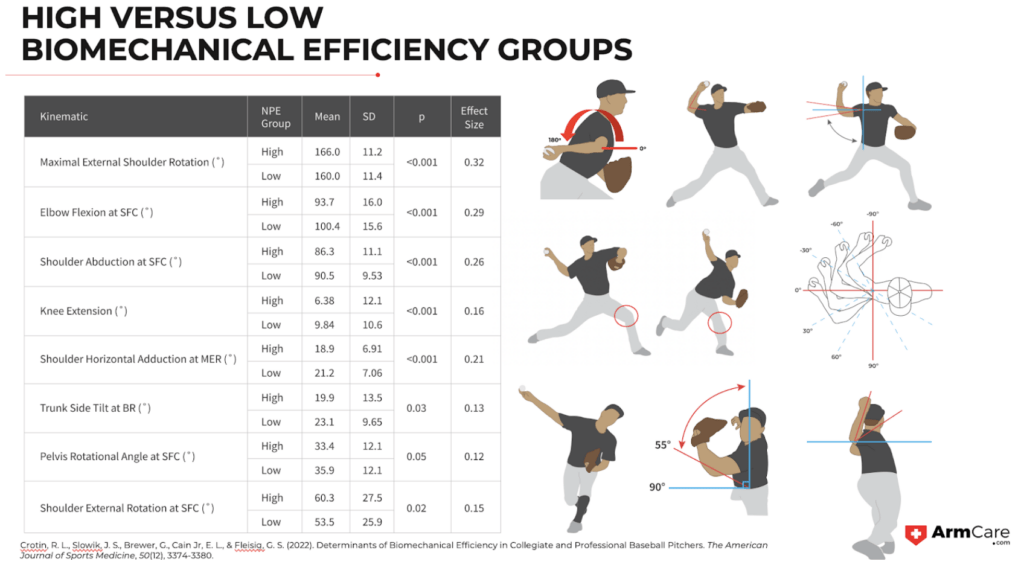
I have felt this throughout my career, and it is even more pronounced as a fundamental cause of the yips. Although not adequately studied, a change in muscle tone, especially if at the shoulder capsule, could reduce biomechanical efficiency, meaning slower velocity with higher elbow joint torques.
- Delayed Neuromuscular Response:
Psychological stress has been linked to slower reaction times and impaired proprioception.
For pitchers and position players, this can result in delayed motor adjustments during throws, increasing joint instability and the likelihood of injury. When the mind is occupied and not at the moment, impact risks arise from being struck with a ball, running into something, or missing a step walking down the dugout.
I have seen athletes get hurt from altered reactions and proprioception, which can be alleviated with stress management and reducing fatigue.
2. Chronic Fatigue and Overuse:
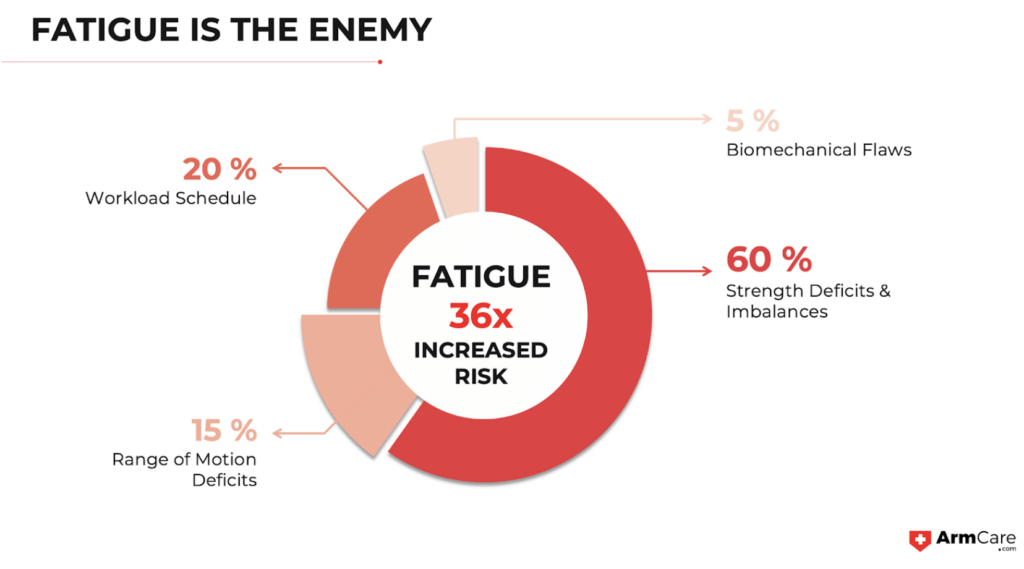
Stress impairs sleep quality and recovery, leading to a cumulative fatigue effect. For throwing athletes, this can result in overuse injuries such as rotator cuff tears or ulnar collateral ligament (UCL) injuries, as their arms cannot properly recover between games or practices.
Our immune system is a major player in healing and regenerating tissue – stress can alter white blood cell counts and immune cell function to repair damage. As a result, microdamage can be prolonged and progress into partial and full-thickness tears.
3. Altered Cortisol Levels:
Chronic stress leads to elevated cortisol levels, which can suppress tissue repair, reduce immune function, and increase inflammation, thereby slowing recovery and raising the risk of repetitive strain injuries.
When cortisol and testosterone become imbalanced, the athlete is predisposed to gaining more fat mass, which puts additional load on the musculoskeletal system and can reduce joint power and relative strength.
The Impact of Family Dynamics on Athlete Health and Performance
This is a tough one. It’s holiday time, and there are a lot of people together, concentrated under one roof. The college player comes home to get a home-cooked meal, and siblings come in at the same time to quarrel.
Family dynamics are a critical, often underappreciated, component of athlete wellness. Supportive family environments can enhance recovery and performance, while dysfunctional dynamics can exacerbate stress levels and impair physical and mental health.
If you are a parent, do your best to understand your athletes when they walk in the door. They had a grueling Fall season, or they have been at a complex training for most of the year and just finished a pro training camp. They can be a combination of tired, fearful, and excited to come home.
Positive Family Dynamics:
- Support Systems: Encouragement from family can reduce performance anxiety and provide emotional stability.
- Healthy Lifestyle Influence: Families that prioritize balanced nutrition, sleep, and relaxation can help athletes adopt similar habits, enhancing recovery and injury prevention.
Negative Family Dynamics:
- Overemphasis on Performance: Families that pressure athletes to perform at unrealistic levels can heighten stress and fatigue when the athlete walks in the door.
- Conflict and Instability: Family discord or poor communication can divert an athlete’s focus, affecting training quality and mental health.
Maximizing Breaks for Long-Term Health
I get excited when athletes come home and are fired up to train. It is a good sign that their nervous system is raring to go. I had one athlete reach out to me and ask for more lifting sessions.
I tier the training. Week 1 is light with two lifts, two speed sessions, and two recovery sessions, and by the third week at home, the athlete is performing four lifts, two speed sessions, and two recovery sessions – primed for the return.
I lower the throttle for some athletes, especially if they get sick over the holidays. For others, we go in the opposite direction and heighten the training response early and tier it down when the family starts to leave home, and there’s a little less chaos around where they want to spend more time at home.
I used to love getting after it with my friends who went to different colleges, where we would train together, hit and throw, and then go out for lunch and hang out the rest of the day before going home with our families and reconnecting after dinner.
Breaks between professional, college, and high school baseball seasons are crucial for recovery from physical strain and mental fatigue. Athletes who maximize their off-time can enhance their overall health and performance, which has nothing to do with shutting down training intensity.
The Wrap Up
I love the holidays, but I cannot lie; it’s hard for me to switch them off. Environmental stress, whether psychological, social, or situational, plays a significant role in athletic injuries, especially for throwing athletes in baseball. It can even be tough on coaches, too.
As the demands of competitive baseball continue to rise, understanding and managing the effects of environmental stress will be critical for sustaining both health and career longevity.
A happy home is important for athletic success. Work hard to have peace, relaxation, and laughter this holiday season – and never lose sight of the season ahead and all the wonder and excitement to follow.
If you want to learn something new this holiday season, check out one of our Bulletproof Courses (MLB Recovery Habits is one of my favorites) and get a jump start on 2025!
Happy Holidays All,
Ryan