

Strength in Numbers #160
Collegiate summer league teams and other amateur leagues are entering the do-or-die zone. It’s playoff time, and let’s face it, teams want to win. We talked about short rest do’s and don’ts in a previous Instagram live webinar, and this is where you have to be data-led as not only could you torch the season but also some of your arms on staff.
Before getting into the nuts and bolts of an approach to pitching management, I want to indicate my serious interest in performance declines in the playoffs. I have experienced this on some level. Your regular season is burning hot. You were an All-Star and up for league MVP. Then you enter the playoffs, and you start to cool off.
In my opinion, this drop in performance happens because you are physically and mentally fatigued and amplified by increased competitive stress and mental pressure to perform.
The weird thing is that the team’s energy is very high, and you may not “feel” fatigued, but your peripheral and central nervous systems could definitely be taxed. That’s what happened to me, coupled with short-term stats windows to aggregate at-bats and the infamous bunt that sometimes put me at the plate with runners at second and third, first base open, and fewer two outs.
I formed a research group around this to really investigate what happens to regular-season standouts in the playoffs and how far they fall. We had our article published in the Journal of Strength and Conditioning, where you can see the full abstract here. To summarize, better performers in the regular season have a greater decline in performance in the post-season, and this paralleled my competitive experience and likely many others.
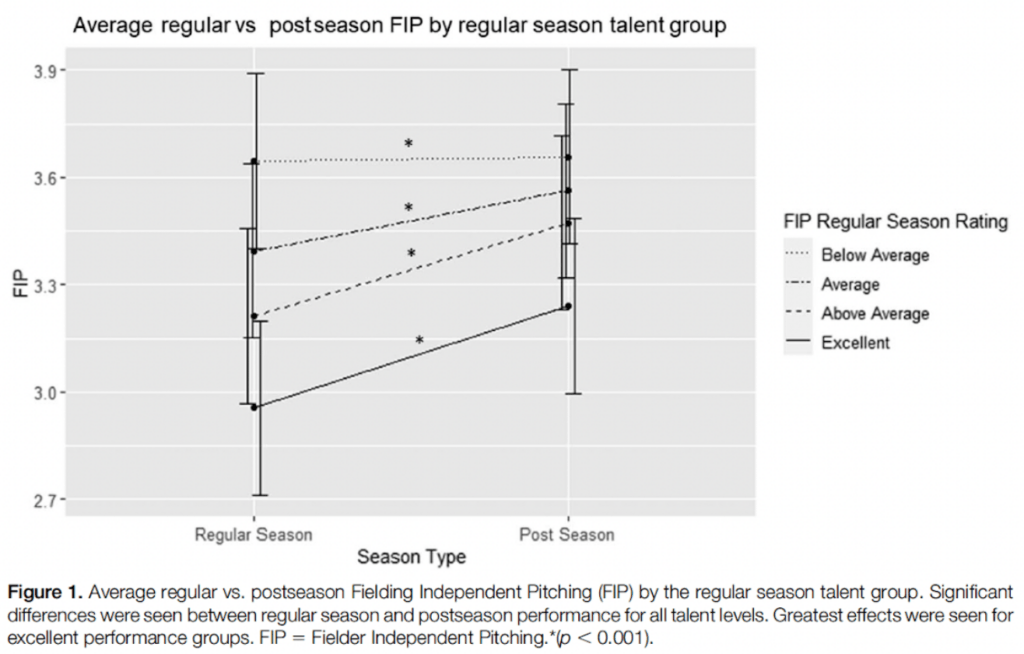
Given this insight and seeing that better players’ pitching and defensive performance decrease, doesn’t it make sense to test throwing arms and reduce runners on base, hard hits, and errant throws?
For those of you with the ArmCare platform, if you had an infrequent testing process during the regular season, it’s time to double down and test frequently.
Think about what I mention in this article and prepare your athletes for battle by being strategic and not overworking them during the most crucial time of the year.
IMPORTANT TIPS OF THE TRADE
Some of my pro tips for preparing for the playoffs three weeks prior to the first playoff game:
1. Reduce Workload Outside of Competition.
This primarily means lowering throwing, hitting, and training volume. In burnt-out players (you’ll know this by testing their throwing arm strength and their readiness to train each day), completely de-load with reduced volume and intensity. I start with a 50% reduction in volume to start.
2. Rebound your Pitchers’ Throwing Arms
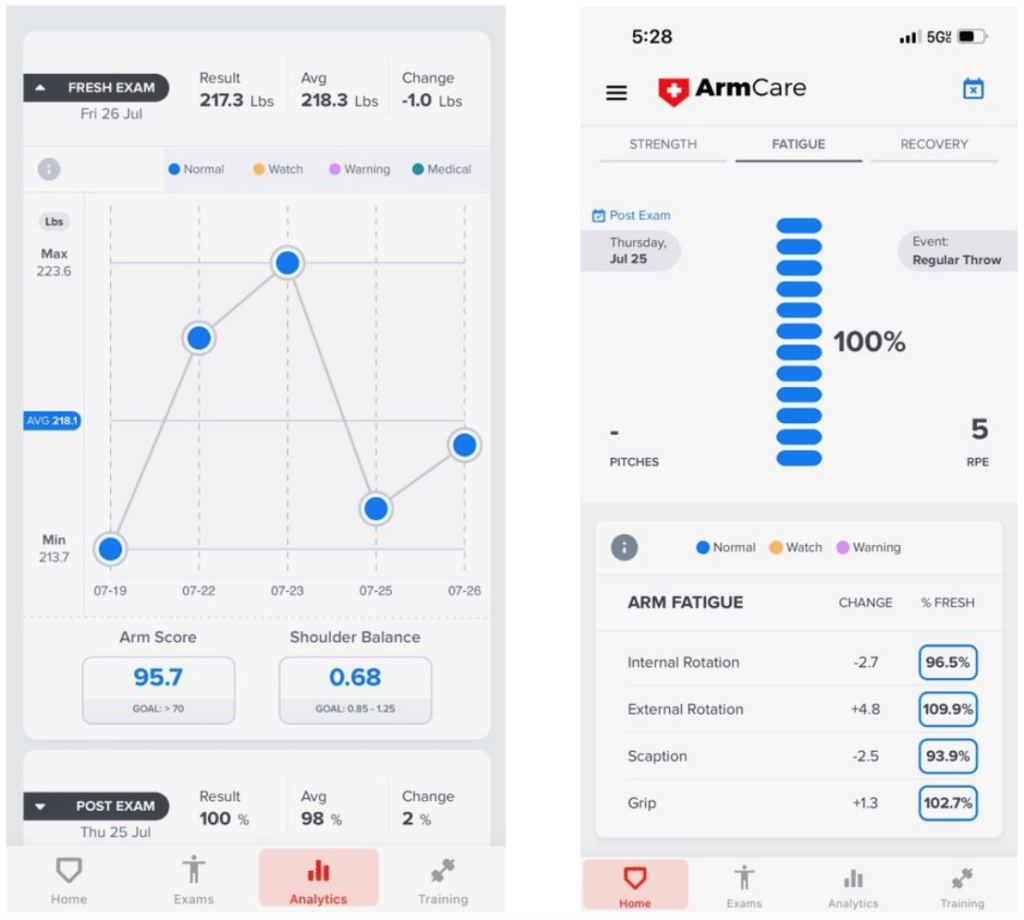
This means they have a low fresh test coming in and a higher post-exam. These players do not need a tremendous change in their competitive workloads. Still, they do need attention in sleep, hydration, nutrition, and pre-competition training that may be lowering their Fresh Exam. For players with a Post Exam with less than 95% of their Fresh Exam strength, start thinking of ways to lower competitive work (PS – Our individualized pitch count feature in the app will do this for you).
3. Show Time and Go Time.
Show-and-goes are often favorites of players and staff. During this time of the season, try to limit the amount of on-field batting practice your team has and get the hitters in the cage and the pitchers off their feet. Speak to your probable starter the day before and try to give that pitcher the last possible second to report once you learn how much time they need to be ready for the game.
This affords them an opportunity to sleep longer, decompress, and alleviate mental stress. I have other impactful tips around this concept as well, but that’s a topic for a later date. All in all, in my experience in the MLB and Minor League playoffs, players performed much better during the “dog days” of the summer by spending more time with family and friends, watching a matinee movie in a theatre, going to Central Park, or another cool destination, or just chilling out.
It’s good for the staff, too, as playoff baseball can be equally exciting and draining, as contract renewals and bonuses are on the line.
SHORTENED REST PITCHING
At this point of the season, if you have athletes eligible for shortened rest according to our Pitch Strong Guidelines, you should consider using them. Remember, you have an evidence-based process with our Individualized Pitch Count feature led by a collection of strength analytic factors to determine if your starter can return on shortened rest to help secure a victory.
Some teams may want the starter to come in as a closer. Speak with your starter to see what works best, as starters can be very different as it relates to their preparation, and they may want to start again for an inning or more. If you can get through the meat of the order once unscathed, it increases your chances of winning.
This competitive advantage, among many others, is what sets ArmCare apart from everyone in the industry. Throw them more when they are strong, take the foot of the pedal when they are fatigued, and hit the brakes when they are fatigued and do not recover well. The power is truly in your athletes’ hands.
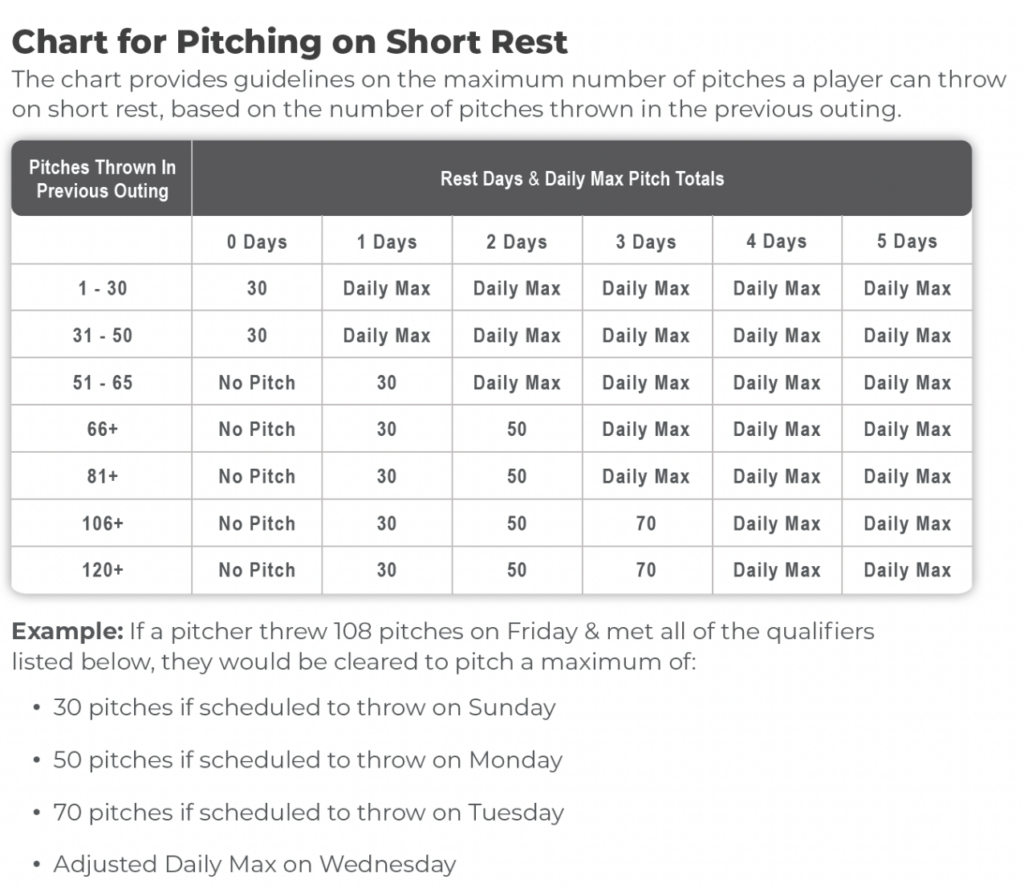
This article on playoff performance is one of my favorites.
It is proof that STRENGTH MATTERS MOST and that stronger arms are harder to kill. I also hate losing and have been part of teams that won championships in the past, and I want you to experience the same feeling of pure elation and gratitude that I had.
Are you ready to win?
Don’t guess, assess, and evaluate your arms to pitch on short rest!
Ryan
Ryan@armcare.com
