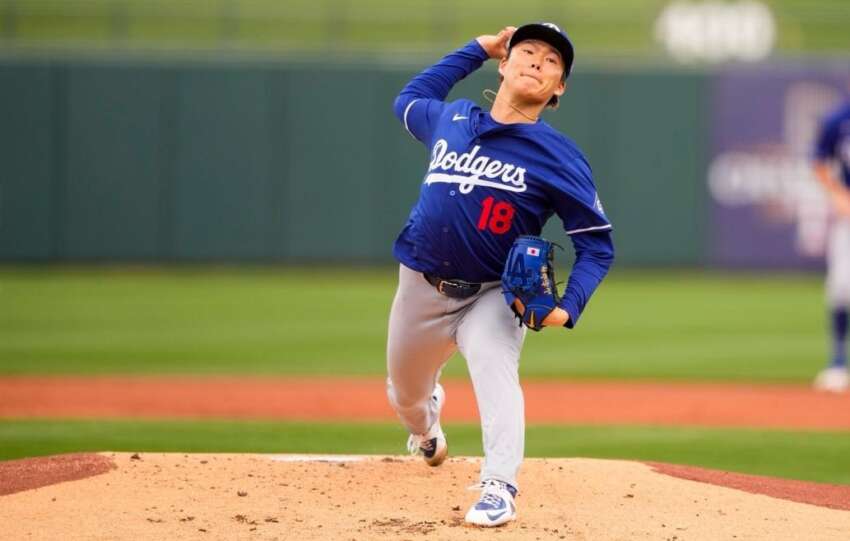
Strength in Numbers #236
Across multiple studies, a consistent pattern keeps showing up.
The muscles that protect the elbow fatigue before velocity drops - The small forearm and finger flexor muscles that help stabilize the elbow get tired early in games—even when the pitcher still looks fine and velocity hasn’t changed.
As pitchers throw more,…
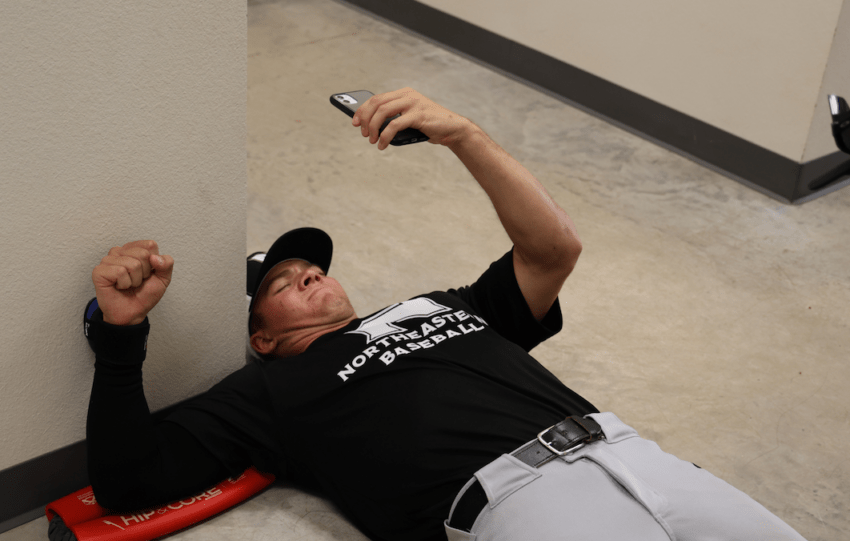
Strength in Numbers #235
The force–velocity curve describes a fundamental property of muscle contraction: as contraction speed increases, the maximum force a muscle can produce decreases.
At slow speeds (or during isometric efforts), muscle fibers have more time to form cross-bridges, resulting in higher force output.
At very fast speeds, fewer cross-bridges can attach, so…
Strength in Numbers #234
Grip strength has long been used in baseball as a quick screening tool for fatigue and injury risk. It’s easy to measure, inexpensive, and has proven to decline during games and across a season.
But multiple studies have exposed a critical limitation:
Why grip strength falls short
It measures the wrong…
Strength in Numbers #233
Velocity has long been considered a necessary risk of high-level performance. A recent landmark study of over 1,300 pitchers across eight seasons found that higher fastball velocity is associated with an increased risk of UCL reconstruction.
But there’s an equally important—and often overlooked—point.
Velocity explains only a portion of injury risk.…
Strength in Numbers #232
When I began working in professional baseball, what stood out immediately was not just how hard pitchers threw—but how variable they were from outing to outing.
The same pitcher could:
Look explosive and efficient one week
Appear stiff, late, or “off” the next
Report no pain, yet show clear mechanical drift…
Strength in Numbers #231
I was recently visiting Oklahoma City. When on the plane, I was thinking about how flying affects our bodies. In Major League Baseball, red-eye flights across time zones wreak havoc on the body. Travel, in my opinion, is one of the most challenging aspects of pro sports to master, but there…
Strength in Numbers #229
We are in an age of instant information. We lack patience. We at times lack the dedication. We can lack the humility to change… but we cannot give up on demonstrating growth mindsets, adding new tools, and getting better each day.
I had recently connected with a former D1 football strength…
Strength in Numbers #228
Thanksgiving is a time to reflect on the people, the experiences, and the season behind you, and to reframe your mind for the offseason ahead. Family gatherings are restful for some, turbulent for others.
In the past, I have communicated the importance of deloading the throwing volume and reloading the arm…
Strength in Numbers #227
We need to keep the conversation on Yoshinobu Yamamoto’s performance. The 2025 World Series was a showcase of durability, precision, and adaptability rarely seen in modern baseball, but may be considered a new norm in years to come.
In do-or-die situations, pitching on short rest — including back-to-back appearances — Yamamoto…
Strength in Numbers #226
Having worked closely with some of Japan’s most remarkable athletes, including Shohei Ohtani, I’ve witnessed firsthand the discipline, adaptability, and extraordinary work ethic that define Japanese baseball players.
These athletes are masters of routine and resilience—able to handle immense workloads. However, once they come to the US, Asian players must…