Strength in Numbers #184
The way athletes move—whether swinging a bat, throwing a ball, or sprinting—can feel as natural as breathing. However, behind these movements lies a fascinating interplay of motor preferences and motor patterns.
In this edition, we delve into motor preferences in sports, focusing on throwing mechanics. Why do some pitchers gravitate toward a sidearm delivery while others adopt a more “over-the-top” approach?
How can coaches profile athletes based on these tendencies?
Let’s explore and build momentum for Strength and Coordination Training (SCT), which improves maximum throwing arm strength and global strength in the right places and directions of force. We can also discuss how training can be coordinated to modify or re-establish the self-selected movement profiles that can sometimes go awry with fatigue.
Motor Preferences vs. Motor Patterns
To begin, let’s clarify two critical concepts:
- Motor Preferences: These refer to an athlete’s natural inclination toward specific movement styles or mechanics. These preferences are shaped by an individual’s neuromuscular structure, skeletal alignment, joint mobility, and even cognitive processing tendencies. Motor preferences are not easily trained away—they reflect how an athlete’s body naturally functions most efficiently.

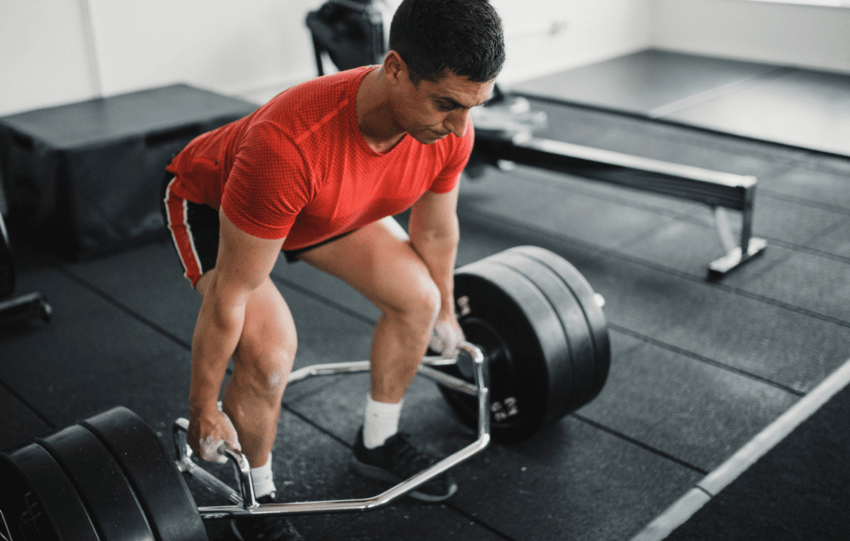
- Motor Patterns: These are the learned and trained movement sequences athletes develop through practice and repetition and tend to have consistent lines of symmetry (i.e., Toes straight when you lunge). While motor preferences provide a foundation, motor patterns can be consciously modified to some extent through coaching and drills (ie. Long lunge pattern with toe turned in like pitching). We get into trouble when we do not modify a motor pattern, such as lunging, to coordinate strength in a manner that reinforces a player’s motor preference in pitching.
Throwing Mechanics and Motor Preferences
Throwing is a complex, whole-body movement. The differences in throwing mechanics—overhand, three-quarters, or sidearm deliveries—stem from anatomical, biomechanical, and neurological factors. One of the most noticeable motor preferences is when athletes are wired for sidearm deliveries, which involve an open trunk at foot contact and the potential for a lean into the throwing arm side.
Why Do Some Athletes Gravitate to a Sidearm Delivery?
- Anatomical Structure: Athletes with reduced shoulder or thoracic mobility may find it more natural to generate force with a sidearm angle, as it allows for increased horizontal shoulder abduction and external rotation under shoulder height.
- Muscle Activation and Efficiency: Sidearm delivery places different demands on the rotator cuff and scapular stabilizers. Athletes who naturally engage these muscle groups efficiently may gravitate toward this style. Two-way players who are infielders may have more of a sidearm or low ¾ delivery.
- Coordination and Motor Control: Some athletes are predisposed to favor rotational over vertical or horizontal force generation, which may have been influenced by playing other sports. Sidearm delivery relies heavily on trunk rotation and lateral force transfer, which may better align with their innate motor control. Early trunk rotation could increase medial elbow torque, so it is important to ensure that grip strength is monitored and optimized.
- Athletic Background: Athletes who grew up playing other sports, like cricket, handball, or even certain positions in football, may favor sidearm throwing due to carryover from those movement patterns.
Over-the-Top Delivery Preferences
In contrast, pitchers with natural over-the-top deliveries often:
- Strong vertical and horizontal force production relies more on the kinetic chain’s upward drive and hip-shoulder separation.
- Possess excellent scapular upward rotation and shoulder elevation strength, which support high arm slots – you need to be on top of scaption strength for these pitchers
- Have anatomical structures (e.g., humeral torsion) that facilitate greater overhead throwing efficiency and more space under the acromion that may reduce the impact of lean required to accelerate the arm and transfer energy from the trunk to the throwing arm.

Other Factors Profiling Pitchers by Motor Preferences
Profiling a pitcher involves identifying their natural tendencies, understanding how these tendencies can be optimized, and determining potential risk factors. Here’s how:
- Assessment of Body Type and Injury History: An athlete’s limb length, shoulder structure, and torso-to-leg ratio play significant roles in determining their throwing mechanics. Injuries such as SLAP tears can alter shoulder joint mobility, which could prevent athletes from changing their motor preferences, which requires optimizing their adapted motor preferences.
- Mobility and Strength Testing: Measuring shoulder rotation, scapular stability, thoracic spine mobility, and hip flexibility provides clues about an athlete’s delivery style. The ArmCare.com system identifies changes in these features that may make them out of profile and cause injuries.
- Throwing Analysis: Using video analysis and biomechanics tools, coaches can observe arm angles, trunk rotation, stride length, and other factors to identify a pitcher’s default motor preference.
- Background Exploration: Athletes’ sports history, training habits, and even cultural influences can reveal why they throw the way they do. For example, Hideo Nomo pitches with his back facing the batter for as long as possible.
Key Takeaways for Coaches and Players
- Respect Natural Preferences: Forcing a pitcher into an unnatural throwing style can lead to inefficiencies and injuries. Embrace their tendencies while refining their patterns.
- Individualized Training: A one-size-fits-all approach doesn’t work. Tailor drills, strength programs, and recovery protocols to align with an athlete’s motor preferences.
- Injury Prevention: Understanding a pitcher’s unique mechanics can help address specific vulnerabilities, such as UCL stress in sidearmers or shoulder strain in over-the-top throwers. To adjust motor preferences, motor pattern-based training (lunging, squatting, deadlifting, etc.) needs to be modified through a process of Strength and Coordination Training – blending ArmCare sensor testing to prevent fatigue, poor recovery, imbalances and weakness as you work on either re-establishing a motor preference or grooving a new one.
The Certified Pitching Course is where you can dive deeper than you ever have before on this topic. Better yet, become dually certified to master the art of strength and coordination.
Conclusion
Motor preferences provide the foundation for how athletes move. By profiling pitchers based on these tendencies, coaches can unlock performance potential while safeguarding their health. At the end of the day, the goal is not to fit every pitcher into a mold but to celebrate and refine the diversity of styles that make the game of baseball so dynamic.
But what do you do if your pitcher’s motor preferences are associated with pain and poor performance?
The answer is in our platform and courses. A motor preference that is not performing and causes persistent injury needs to be changed. You need to attack this systematically with our Mechanical Adjustment Decision Tree.

When Strength Matters Most – Good things happen.
Ryan
Ryan@armcare.com