Strength in Numbers #183
The Romanian Deadlift (RDL) is a staple in strength and conditioning programs. It is widely regarded for its ability to develop posterior chain strength and flexibility.
This exercise has become popular due to its versatility, injury prevention benefits, and functional carryover to athletic performance, particularly for baseball pitchers and sprinters.
In this article, we explore its origins, the muscles targeted, key technical details, and its role in promoting throwing and pitching performance while reducing the risk of hamstring strain for athletes on the field.
Let’s dive in!
The Origin of the Romanian Deadlift
The Romanian Deadlift originated in the 1990s when Romanian Olympic weightlifter Nicolae Vlad introduced this variation to American lifters during training demonstrations.
Vlad reportedly performed this modified deadlift with lighter weights and emphasized eccentric control to enhance posterior chain flexibility and strength, particularly in preparation for Olympic lifts. The movement was later adopted in strength training routines due to its ability to improve hamstring and hip mobility.
Regarding baseball, the hamstring for some pitchers is extremely important for all delivery styles in the lead leg block. Some athletes have incredibly high rates of extension, others must contract the hamstrings in a flexed position to hold the knee joint stable through ball release, with knee extension occurring during the follow-through phase.
Main Muscles Worked by the RDL
The Romanian Deadlift primarily targets the posterior chain, including:
- Hamstrings (biceps femoris, semitendinosus, and semimembranosus)
- Gluteus Maximus (hip extension)
- Erector Spinae (spinal stabilization)
- Adductor Magnus (hip stabilization)
- Core Muscles (stabilizing the trunk during movement)
Secondary muscles activated include the trapezius, forearms, and lats, which stabilize the barbell or dumbbells during the lift.
Key Technical Information for Proper Execution
Executing the RDL correctly is essential to maximize benefits and prevent injury. Follow these steps for proper form:
- Set-Up:
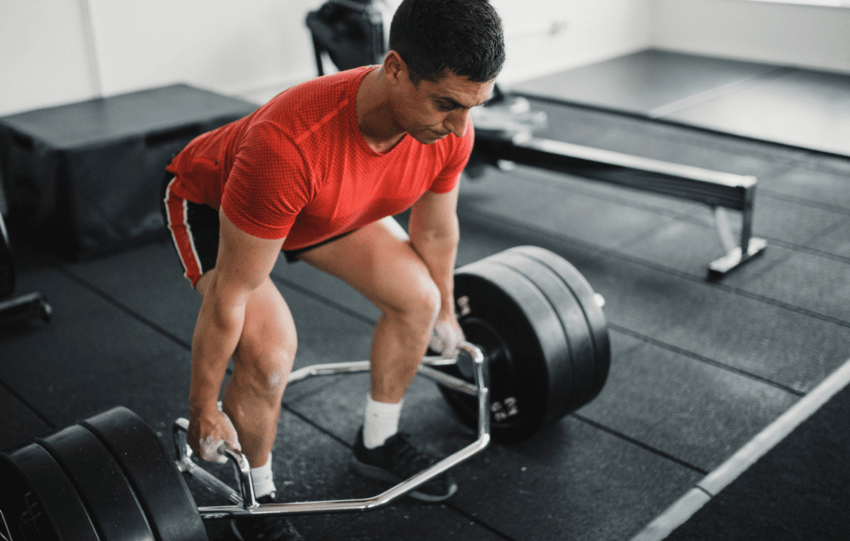
- Stand with feet shoulder-width apart, holding a barbell or dumbbell with a pronated or neutral grip. A pronated grip assists smaller forearm muscles in holding weight, reducing fatigue and improving grip strength compared to trap bar deadlifting, which is more supinated.
- Maintain a soft bend in the knees, ensuring they stay fixed throughout the movement.
- Execution:
- Push your hips backward while keeping the spine neutral (avoid rounding the back).
- Lower the barbell down the thighs, stopping just below the knees or until you feel a stretch in the hamstrings without losing a tabletop back.
- Keep the weight close to the body, and the shoulders retracted.
- Drive through the hips and glutes to return to a standing position.
- Common Mistakes to Avoid:
- Rounding the back or letting the barbell move too far from the body.
- Overextending the lower back at the top of the movement.
- Bending the knees excessively, turning it into a squat.
Unilateral RDLs: Why They Matter
The unilateral Romanian Deadlift (single-leg RDL) offers distinct advantages for athletes, particularly those involved in rotational and sprint-based sports like baseball.
These sports are interlimb-dependent and can have multidirectional forces to absorb when sprinting around the bases on curves or landing from the top of the mound to battle the effect of gravity.
Key Benefits:
- Enhanced Balance and Stability:
- Performing the RDL on one leg challenges hip, knee, and ankle stability. This improves proprioception, essential for maintaining control during dynamic movements such as pitching or sprinting.
- Strengthening Weak Links:
- Unilateral RDLs can address asymmetries between the left and right sides of the body, reducing the risk of imbalances that may contribute to injury.
- Functional Translation to Sprinting and Pitching:
- Pitching and sprinting require independent legs to produce and absorb forces. Improve force absorbance and generation leads to greater pitching and sprinting velocity.
- Injury Prevention:
- Hamstring strains are caused by eccentric contraction overload and are among the most common sports injuries involving sprinting and rotational force, like baseball. Research highlights that RDLs—both bilateral and unilateral—are highly effective in reducing the risk of these injuries.
Takeaways for Baseball Athletes
For baseball players, incorporating RDLs into their training program, in my opinion, is essential as it improves strength and coordination in the following ways:
- Pitching Performance: Enhancing the hip-hinge mechanics and posterior chain strength necessary for explosive delivery.
- Sprint Speed: Improving hamstring function, balance, and power for sprinting and base running to apply high force with extremely short ground contacts.
- Injury Prevention: Reducing the risk of hamstring strains and lumbar spine issues by increasing muscle-tendon resilience.
By integrating RDLs—especially unilateral variations—baseball athletes can develop the strength and stability needed to optimize performance and reduce injury risk. With consistent monitoring and proper technique, RDLs remain foundational for long-term athletic success.
Strength Matters Most,
Ryan
Ryan@armcare.com