Strength in Numbers #230
Baseball players are obsessed (in a good way) with the details: sleep, lifting, arm care, nutrition, and mechanics. But there’s one invisible factor almost nobody screens for that can quietly wreck energy, recovery, strength, and decision-making on the field- intestinal parasites.
I have had a few athletes who have had difficulty gaining lean mass despite the great team of specialists I put around them. We find there are “hidden opponents” that, left unchecked, can harm the body and performance.
Parasites drain nutrients, alter gut and brain chemistry, and stress the immune system in ways that show up as unexplained fatigue, nagging soft-tissue issues, brain fog, motivation swings, and inconsistent command, velocity, and strength produced by the throwing arm. Athletes who travel, eat on the road, or train hard year-round are at higher risk than they realize.
In this Strength in Numbers, we’ll unpack how parasites get into the body, how they interfere with fatigue, recovery, strength, proprioception, and mental performance, and what you can do about it. It can be a real arm killer left unchecked, and you may not know.
We also include 10 parasite-fighting foods and practical steps to support a cleaner, stronger system. This isn’t about fear; it’s about awareness and giving baseball players every possible edge for health and on-field performance.
Why should baseball players care about parasites?
Intestinal parasites (worms and protozoa that live in the gut) are far more common globally than most athletes realize. They spread mainly through contaminated food and water, the “fecal–oral” route, SO WASH YOUR HANDS, and undercooked meat or fish.
For competitive athletes, there are two key problems:
- They steal resources – nutrients that promote cellular healing, iron that we need for oxygen-carrying and energy production, and amino acids – all of which go to muscle repair, immune function, and brain performance.
- They create inflammation and gut disruption that can affect hormone balance, neurotransmitter function, and overall recovery.
Research in athletes shows that intestinal parasitic infections are associated with greater fatigue and reduced explosive muscle strength in the dominant limb, even when basic performance tests did not appear to have significant change (ref) That’s precisely the kind of subtle drag you may feel as, “My arm never feels fully live,” or “I just can’t access my best stuff consistently, and the ball is all over the place”.
Something as simple as washing your hands could make a massive difference in reducing fatigue, muscle weakness, dehydration, and other factors that increase injury risk. Scrum thoroughly and take your time at the sink.
How parasites get into an athlete’s body
Common routes, especially relevant to baseball players who travel, eat team meals, and use shared facilities, include:
- Contaminated water – drinking unfiltered tap water, well water, or natural sources (lakes, rivers) in areas with poor sanitation.
- Undercooked meat or fish – especially pork, beef, freshwater fish, and raw/undercooked seafood (sushi, ceviche) that may contain parasite cysts or larvae.
- Unwashed produce – fruits and vegetables rinsed in contaminated water or handled with poor hygiene.
- Fecal–oral transmission – touching locker room surfaces, bathrooms, shared equipment, or team food with contaminated hands and then touching your mouth.
- Soil and animals – contact with contaminated soil or animal waste, then eating without proper hand-washing.
For baseball athletes, this risk is amplified by travel tournaments, international play, hotel food, roadside restaurants, and training camps, where food and water quality can vary widely.
I frequently travelled with the Angels, and to change up the training and reduce the monotony of doing everything, including living, at the complex, we did conditioning sessions at the beach. Notice the surroundings: people were feeding and petting stray dogs, the marine environment, and the water. As much as I hate drinking from plastic bottles, I did not drink tap water, as it is a source of parasites.
How Parasites Interfere with Performance
a) Fatigue, endurance, and recovery
Parasites can:
- Chronic inflammation and malabsorption, which reduce how much protein, iron, B-vitamins, and other nutrients you actually absorb from food (ref).
- Lead to anemia (low red blood cells) in some infections, directly impairing oxygen delivery and endurance.
- Increase overall energy cost of regular activity – your body’s fighting an infection while you’re trying to train.
In a baseball context, that can show up as:
- Feeling “gassed” by the 3rd–4th inning or late in a doubleheader.
- Recovery days where the arm stays heavy, and the legs never bounce back.
- A chronic sense of “I’m working harder but getting less.”
- Not making it through team training or conditioning sessions
There is a much greater caloric, neural, and anaerobic cost during training on sand. Physiologic systems weakened by parasites could reduce work output and motivation and lead to training-related injuries, which you never want to happen.
b) Strength, power, and the throwing arm
As mentioned previously, athletes with intestinal parasites have been shown to have lower explosive strength in the dominant limb compared with non-infected athletes.
For a pitcher or position player, that can look like:
- Slight but persistent loss of fastball velocity or carry from lowered propulsion force.
- Reduced ballistic power in the throwing arm or trunk, despite consistent lifting with less energy generated in the push.
- A “dead arm” feels more often than you’d expect from workload alone because the throwing arm must do more and experience fatigue.
If your dominant throwing arm is always slower to warm up, or post-outing soreness lingers longer than the plan suggests, parasites are not the first suspicion – but they are one possible hidden load on the system.
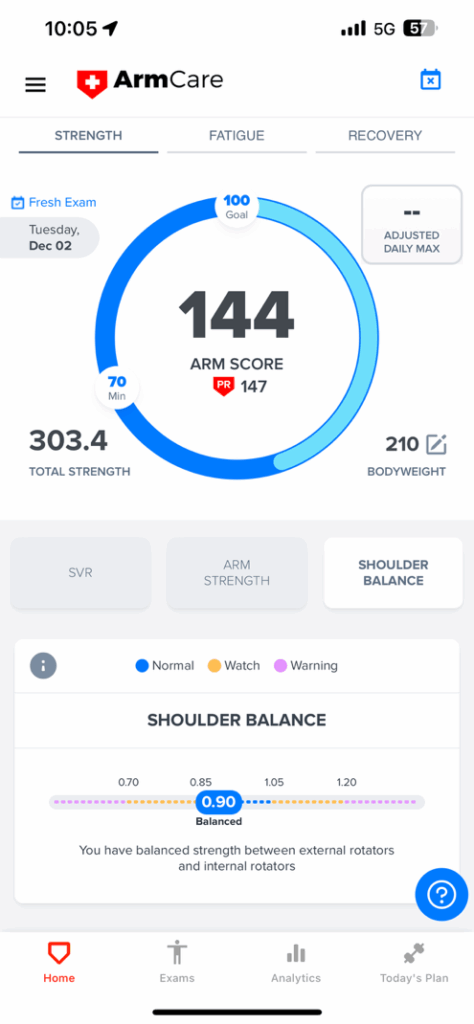
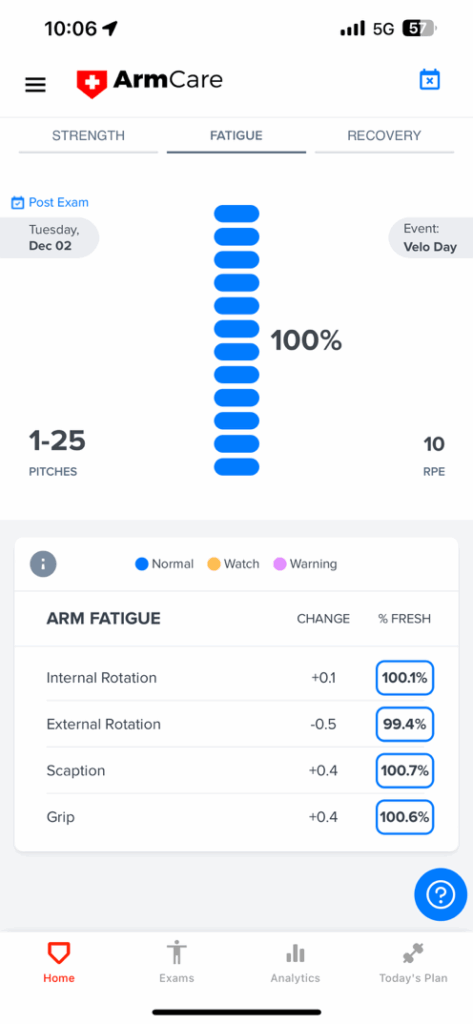
This is an athlete who has an optimized nervous system. When we see 100% on the post-exam and investigate which individual muscles are actually boosted from pitching at high intensity, that is a neurologically efficient player. This type of data suggests a low parasitic host among players who throw very hard.
c) Proprioception, command, and mechanics
The gut and nervous system are deeply connected. Parasites can disrupt the gut–brain axis and alter the microbiome, which, in turn, can affect neuromuscular function and coordination.
That might show up as:
- Slight declines in fine motor control – missing spots by a few inches more often.
- Feeling “off” with front-foot strike timing or arm path, despite similar training.
- An increase in “non-painful weirdness” – the arm doesn’t feel injured, just uncoordinated.
- Sluggish and slow legs
In other words, they may not tear tissue directly, but they can alter the system that controls it.
Highly coordinated training, such as rhythmic hurdles, requires high-level proprioception, quickness, force, and power – I demonstrate these drills, so as a coach, if I am not optimized, I am not going to be as effective in raising talent and educating coaches. Note the difference in movement quality, mobility, and motor control.
Red Flags that Deserve Medical Attention
Red Flags that Deserve Medical Attention
Parasites are not the only explanation for these symptoms, but an athlete should talk with a healthcare professional (ideally a sports-savvy MD or DO) if they notice combinations of:
- Unexplained or persistent fatigue, even in DELOAD WEEKS
- Chronic GI issues – bloating, cramps, diarrhea, constipation, or “mystery nausea.a”
- Weight loss or difficulty maintaining lean mass, despite eating and lifting
- Frequent illnesses, lingering colds, or infections in-season
- Ongoing iron deficiency or anemia on lab work
- A long-term sense that the arm never feels fully recovered relative to the workload
Only a medical professional can order appropriate stool tests, blood work, and imaging and prescribe evidence-based antiparasitic medications when needed. Foods and supplements should be seen as support, not replacements for proper diagnosis and treatment.
This video is from our MLB Habits Course – a serious, cost-effective competitive advantage. Most people are unaware that a lack of daily fluid intake leads to slower gains in muscle mass, especially among athletes who consistently take Creatine. Weight loss due to parasitic dehydration may also indicate loss of lean mass, particularly if it occurs alongside GI issues.
Top 10 Parasite-Fighting / Gut-Health Supporting Foods
From reviewing a range of clinical and functional-medicine sources, a handful of foods reappear as having antiparasitic activity or supporting gut health. Evidence ranges from lab and animal data to small human studies and traditional use – so these should be viewed as supportive tools, not cures.
In all cases, consult your physician or dietitian to ensure maximum nutritional safety.
1. Garlic
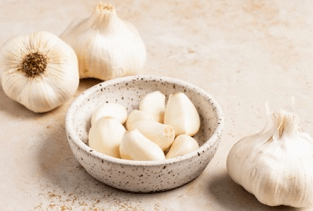
- Contains compounds such as allicin and other thioallyl compounds with documented antiparasitic activity against several intestinal parasites in laboratory and animal models.
- Also supports immune function and cardiovascular health.
- For players: easy to include in meals; some athletes tolerate small amounts of raw or lightly cooked garlic.
2. Pumpkin seeds
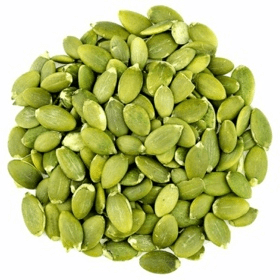
- Rich in cucurbitacin and other compounds; traditionally used as an anthelmintic (worm-expelling) remedy and supported by in-vivo studies for GI nematodes. ema.europa.eu+3PMC+3ScienceDirect+3
- Also, provide magnesium, zinc, and healthy fats that support recovery.
- Papaya Seeds
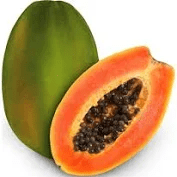
- Small human trials suggest that dried papaya seeds can help reduce intestinal parasite load, especially when combined with honey. However, the evidence remains limited and should not be used as a substitute for medication.
- Use cautiously and in modest amounts; they are potent and not appropriate for everyone.
- Cloves
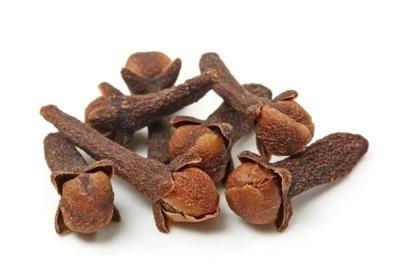
- It contains eugenol, a compound with documented antiparasitic and antimicrobial activity in lab models.
- Often used in herbal blends targeting gut pathogens.
Oregano (and oregano oil – with medical guidance)
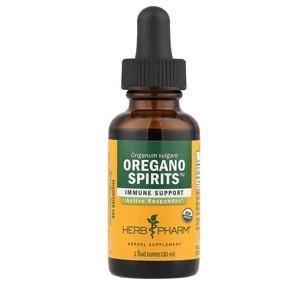
- Oregano extracts show in vitro activity against Giardia and other pathogens, and oregano oil is widely used in functional medicine for gut infections.
- Potent oils should only be used under professional guidance; food-level oregano is a safe inclusion.
- Turmeric (curcumin)
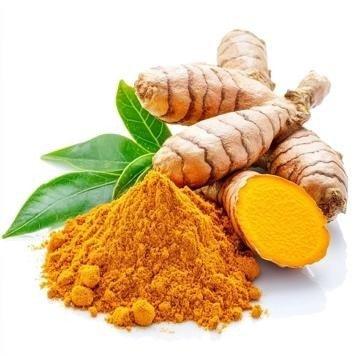
- Exhibits anti-inflammatory and antioxidant properties and is cited in traditional medicine for its antiparasitic effects, potentially helping repair the gut lining and control inflammation caused by infections.
- Coconut and coconut oil
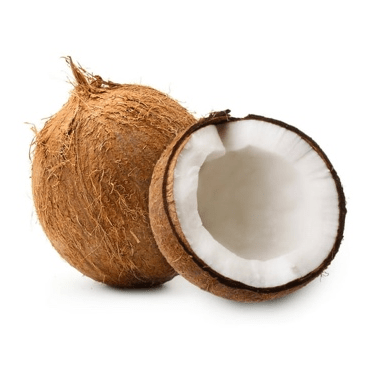
- Certain extracts and fatty acids from coconut have shown antiparasitic or antimicrobial activity in animal and lab models (e.g., against helminths and Cryptosporidium), and coconut has traditional use in parasite cleanses.
- Fiber-rich vegetables (carrots, leafy greens, cruciferous veg)
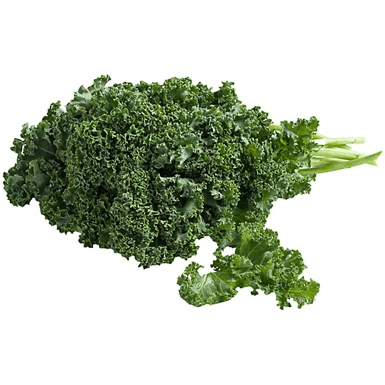
- While not “antiparasitic” in the narrow sense, fiber helps move waste and organisms through the gut, supports healthy microbiota, and aids elimination.
- Fermented foods (yogurt, kefir, kimchi, sauerkraut)
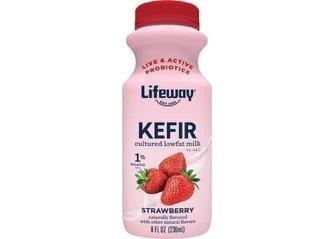
- Support beneficial gut bacteria, which can compete with pathogens and help restore balance after infection or treatment.
- Bitter herbs like neem or wormwood (only under professional supervision)
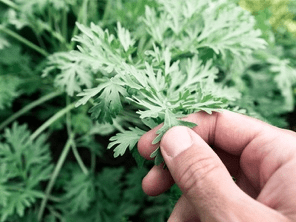
- Used traditionally as antiparasitic herbs, some early data and many functional-medicine protocols include them, but they carry risks and should be prescribed and monitored by qualified clinicians.
Take Home Messages
Take Home Messages
Clearing a hidden physiological drag lets all the work you’re already doing – in the weight room, in your arm care routine, in your skill work – show up more cleanly on the field.
Tighten up your hygiene and travel protocols, seek more nutrition information, and consider making better food choices. Make a habit of not missing ArmCare exams, as you will detect changes in your nervous system early, and if you are battling something, you will be able to take your foot off the gas to restore function.
Strength Matters Most,
Ryan
Ryan@armcare.com