Strength in Numbers #185
Thoracic Outlet Syndrome (TOS) is a complex condition that has become increasingly recognized as a significant issue among baseball pitchers.
This syndrome involves compression of the neurovascular structures—nerves, arteries, and veins—passing through the thoracic outlet, a narrow passageway between the collarbone and first rib.
The unique demands of throwing at high velocities in baseball and repetitive overhead movements make pitchers especially susceptible to this condition.
If you experience tingling fingers, see your physician to rule out other nerve-based injuries. In almost all cases, surgery is the only way to alleviate TOS symptoms. It is invasive and requires removing a rib.
Read on and change the narrative of TOS to Total Optimal Strength.
Mechanism of Injury in TOS
The primary mechanism of injury in TOS stems from repetitive throwing, which creates sustained stress on the shoulder girdle, neck, and chest wall. Over time, this stress can result in anatomical abnormalities or adaptations, such as hypertrophy of the scalene muscles, first rib elevation, or clavicular malposition.
These changes can compress the brachial plexus, subclavian artery, or subclavian vein, leading to neurogenic (nerve-related), arterial, or venous forms of TOS. In pitchers, extreme arm positions—such as maximum external rotation and late follow-through—can exacerbate compression and cause symptoms to manifest.
Needless to say, an unstable shoulder doesn’t help matters as it can press down on the vessels through the armpit.
Our MLB Recovery Habits Course goes into ridiculous detail on why Circulation is King and what you can do to ensure you have a stable shoulder and not one that pinches off important blood supply to your fingers. A good reference is here.

Surgical Procedure and Current Research on Outcomes
For pitchers diagnosed with TOS, surgical intervention is often necessary. The most common procedure is a first rib resection, which removes the first rib to create more space within the thoracic outlet.
This procedure is sometimes accompanied by scalenectomy (removal of the scalene muscles) or pec minor release to further decompress the area. But that doesn’t mean your shoulder strength is in a good place to control the humeral head from gliding and sliding around.
Current research on post-surgical performance outcomes is mixed. Studies indicate that while some pitchers return to their pre-injury level of performance, others experience a decline.
A 2020 study published in The American Journal of Sports Medicine reported that approximately 70% of MLB pitchers returned to play after TOS surgery, but only about 50% regained their prior level of performance. That ain’t good enough! Contributing factors to variable outcomes include the severity of the condition, the timing of surgery, and the presence of pre-existing strength or mobility deficits.
Training Errors and Shoulder Strength Imbalances
Training errors and shoulder strength imbalances often contribute to the development of TOS in pitchers.
Poor programming, such as excessive throwing workloads, inadequate recovery, and lack of shoulder stability exercises, can lead to imbalances in the rotator cuff and scapular stabilizers.
Specifically:
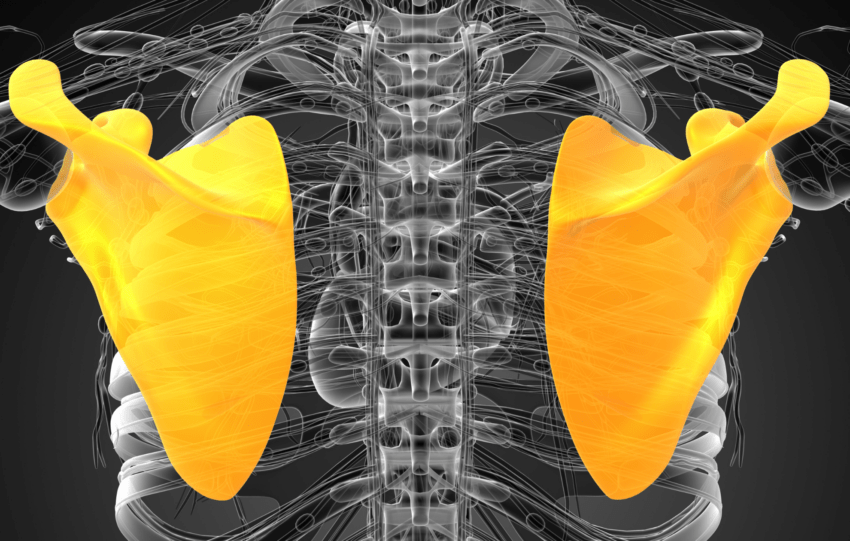
- Scapular Dyskinesis: Poor scapular control limits the shoulder’s ability to properly position the arm during throwing, increasing strain on surrounding neurovascular structures.
- Rotator Cuff Imbalances: Weakness or tightness in rotator cuff muscles, especially the subscapularis, and infraspinatus, may lead to compensatory mechanics that exacerbate compression in the thoracic outlet.
- Overuse Without Periodization: Constant throwing without proper rest or conditioning can cause soft tissue fatigue, increasing the likelihood of vascular compression.
The Role of Arm and Grip Strength Testing in TOS Diagnosis
Grip strength testing and arm strength assessments are valuable tools in identifying potential TOS cases.
Research suggests that reduced grip strength in the throwing hand is often associated with neurogenic TOS, as compression of the brachial plexus can impair the nerves that control hand function. Similarly, diminished strength in shoulder abductors and external rotators may signal an inability of the arm to maintain proper vascular supply during throwing.
Blood flow restriction caused by TOS can be assessed indirectly by observing a pitcher’s grip strength or performing ischemic pressure testing. Athletes with TOS may experience weakness or numbness after repetitive movements, suggesting compromised circulation to the arm.
A good test is our grip strength test, which may detect early signs of TOS with significant strength loss. Work on that pec release when you see sudden changes or any symptoms of tingling. Here’s the reference to support our approach.

Fatiguability in the Throwing Arm and TOS
One of the hallmark signs of TOS in pitchers is early fatiguability of the throwing arm.
This occurs when reduced blood flow to the arm muscles limits oxygen delivery and metabolic waste removal during repeated throws. The muscles become less capable of sustaining high-effort contractions, leading to suboptimal mechanics, reduced velocity, and increased injury risk.
When blood flow is restricted to the muscles of the shoulder and forearm, pitchers are at greater risk for:
- Microtrauma to Tendons and Ligaments: Reduced oxygen delivery impairs tissue repair, increasing susceptibility to chronic overuse injuries such as rotator cuff tendinitis or ulnar collateral ligament (UCL) damage.
- Delayed Recovery: Poor circulation slows recovery between outings, leading to cumulative fatigue throughout a season.
- Nerve Irritation: Prolonged compression of the brachial plexus can cause sensory disturbances (e.g., numbness, tingling) that affect grip and throwing precision.
Preventing and Managing TOS in Pitchers
Preventing TOS requires a multifaceted approach that addresses imbalances, optimizes mechanics, and manages workloads. Key strategies include:
- Strength and Coordination Training: Programs that enhance scapular stability, core strength, and rotator cuff endurance can mitigate the risk of developing TOS – all combined in a unique strength program – you will get a healthy dose of these exercises in both our certification courses.
- Throwing Mechanics Optimization: Coaches should emphasize proper mechanics that reduce unnecessary stress on the thoracic outlet, such as avoiding excessive shoulder elevation or forward head posture – the Certified Pitching Biomechanics Course crushes this aspect in the Biomechanical Efficiency section.
- Monitoring Workload and Fatigue: Using objective tools like dynamometers or wearable technology to assess fatigue and imbalance can help prevent overuse injuries – Our data-led throwing programs course is a great resource here.
- Dynamic Mobility and Soft-Tissue Care: Regular mobility work for the shoulder, neck, and chest muscles, combined with manual therapy, can alleviate tightness and reduce the risk of compression – we go through a range of motion and soft-tissue release aspects in our Certified ArmCare Specialist Course in detail.
Conclusion
I cannot lie, Thoracic Outlet Syndrome is terrible and is one of the most complicated injuries to return an athlete to performance, let alone beyond their previous level of play.
While surgical intervention can provide relief for some, prevention and early detection remain the best strategies for minimizing its impact by testing throwing arm strength and creating individualized training and throwing programs.
By understanding the mechanisms of injury, focusing on balanced training, and incorporating objective strength and blood flow assessments, coaches, trainers, and medical professionals can help pitchers reduce their risk of TOS and maximize their Total Optimal Strength, which is the secret sauce to performance and health on the mound.
Strength Matters Most so that Circulation can be King!
Ryan
Ryan@armcare.com