Strength in Numbers #166
Our time at Northeastern Junior College in Colorado has spurned so many thoughts and ideas. What we think our collegiate athletes know is taking for granted time to fully educate on the basics – SLEEP, HYDRATION, AND NUTRITION.
The young men of today are more engaged with technology than ever before. Videogame play, smartphones, and smartwatches—you name it, they have it.
One thing that cannot be overlooked is their understanding of good old-fashioned H20.
Hydration plays a critical role in the performance, recovery, and overall health of baseball players. From throwing arm health to reaction time at the plate, proper hydration can make the difference between peak performance and diminished output.
In this article, we’ll explore key hydration strategies, safe creatine use, considerations for hot weather, and how hydration affects arm health and hitting performance. We’ll also dive into monitoring hydration through urine color and the best nutritional approaches for staying hydrated.
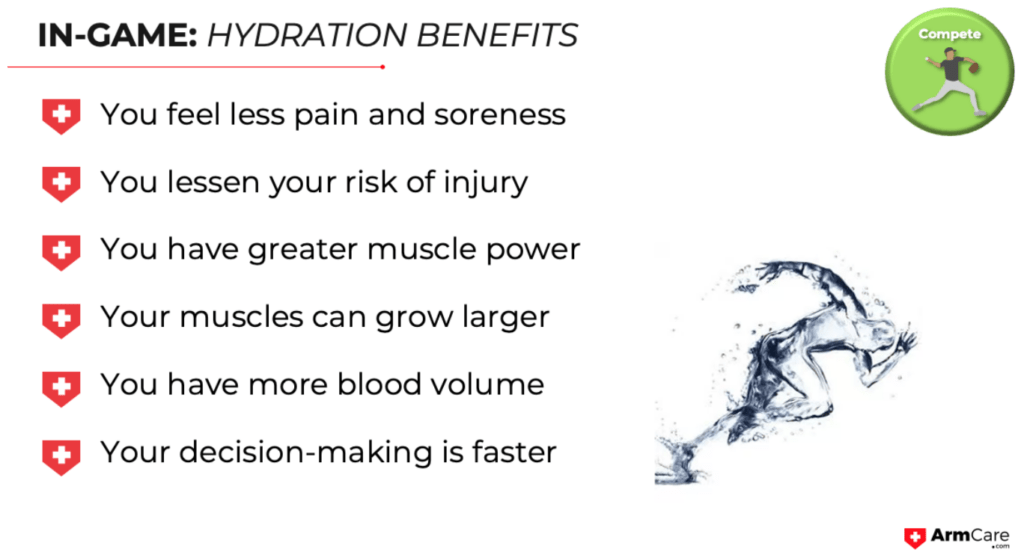
Why Hydration Matters for Baseball Players
Hydration is essential for maintaining the body’s normal physiological functions, including muscle function, joint lubrication, body temperature regulation, and cardiovascular efficiency.
In baseball, the demands of sprinting, fielding, throwing, and swinging make hydration even more critical for maintaining power, reaction time, and endurance throughout a game or training session.
Think of the pitch clock. Current research states there’s a greater risk, but is it a fact that being less hydrated, having sludgy blood flow, and having a lack of nutrients and cooling are sent to working intramuscular enzymes…. Hmm.
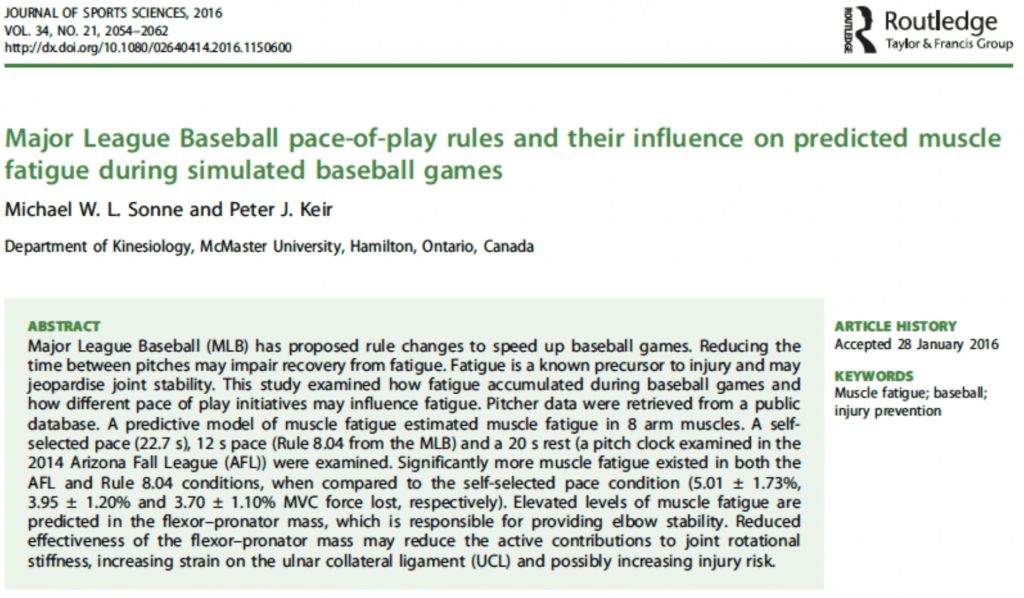
Even at low levels, dehydration can impair performance by reducing strength, coordination, and focus. This is particularly relevant for baseball players, where precision and reaction times are key to success in both pitching and hitting.
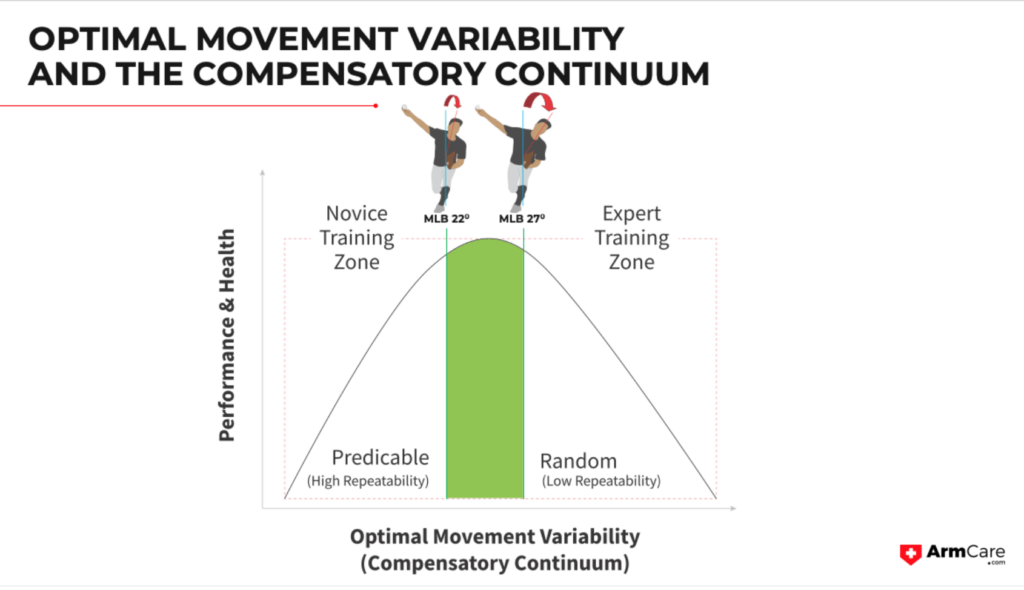
If you want to compete better as a pitcher, you need consistency in motor preference and a window into how much variability you have before things come completely undone.
Hydration’s Impact on Throwing Arm Health and Performance
Dehydration affects muscle function and the body’s ability to regulate temperature, which can directly influence a pitcher’s throwing mechanics and endurance. A well-hydrated athlete will have better muscle flexibility and a reduced risk of cramping, which can prevent fatigue-related injuries, including strain on the throwing arm.
During pitching, the shoulder and elbow endure significant stress. When dehydrated, muscles and tendons become more vulnerable to injury because they lose elasticity and the ability to recover from repeated strain. Additionally, dehydration can negatively impact blood flow to the muscles, reducing the efficiency of nutrient delivery and waste removal, which affects recovery times after each throw. Dry muscles rip—think of beef jerky.
For field players and pitchers alike, hydration is key to reducing the risk of overuse injuries and maintaining joint health, which is especially important for preventing conditions like tendinitis and Tommy John surgery.

Creatine Use and Hydration
Creatine is a popular supplement used by many athletes to improve power, strength, and muscle recovery. It can help baseball players enhance bat speed, sprinting, and throwing velocity. However, safe creatine use is essential, especially when it comes to hydration.
One of the common concerns about creatine is that it can contribute to dehydration if not used properly. I have athletes who take creatine under strict advisement from my dieticians. Not understanding how to properly take a supplement, even if it’s on the bottle with “used as directed,” can be a recipe for disaster, as our bodies require different caloric and hydration needs.
Creatine pulls water into the muscles, which can leave the rest of the body more prone to dehydration. For this reason, athletes using creatine must drink extra water.
The general recommendation is to increase water intake by at least 16-20 ounces per day while using creatine to ensure proper hydration and muscle function.
However, as I mentioned, the intake level is for different bodies; some are chronically dehydrated (yes, I have tested so much pee in my career in baseball players that it is not funny), as the solute levels in their urine can go through the roof with creatine use and an inability to know where their body water is at.
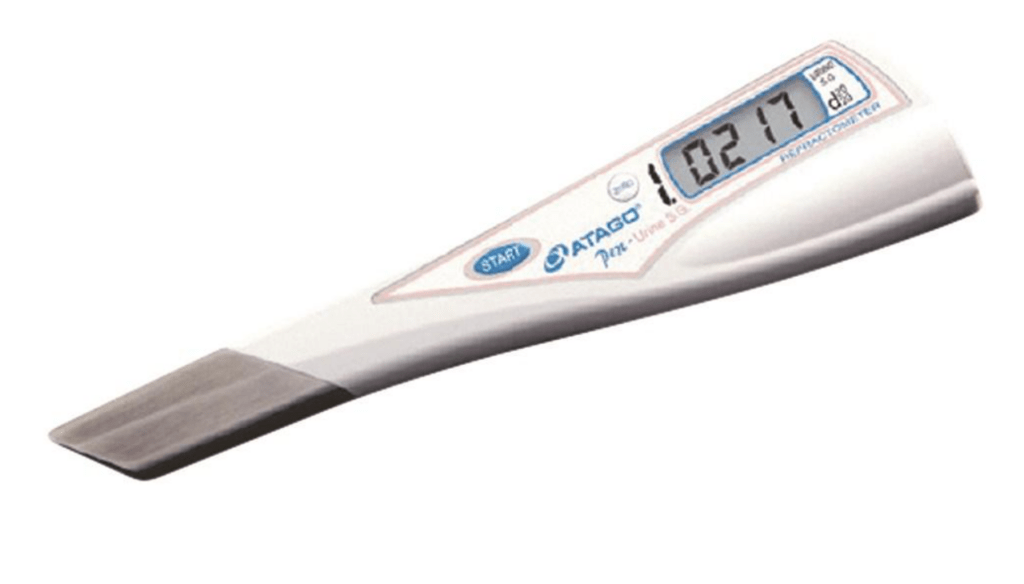
The bottom line is that creatine use should also be monitored closely, not just in hot weather, as the risk of dehydration is higher.
Athletes should pair creatine supplementation with an appropriate hydration strategy to meet their fluid and electrolyte needs.
Our MLB Habits Course hammers water intake needs and hydration accelerators, but you need to consult a registered dietician before using the product and first get your hydration plan in check.
General Hydration Adjustments for Hot Weather
Baseball players face a higher risk of dehydration in hot weather due to increased sweat loss. During games and training sessions in extreme heat, it’s important to adjust hydration strategies to prevent dehydration and heat-related illnesses such as heat exhaustion or heat stroke.
Some Tips We Went Through at NJC for Hydration in Hot Weather:
- Weigh Yourself Before Activity: Before being active, you need to know your body weight to estimate your water losses afterward.
- Pre-Hydrate: Again, this is a general rule, so adjust as needed. Start drinking water the day before a game or intense training session. Aim to consume 16-20 ounces of water 2-3 hours before activity and an additional 8-10 ounces 20-30 minutes before starting.
- Sip Regularly: Have a stainless steel container to keep water on the colder side. During games and practices, players should aim to drink at least 8 ounces of water every 15-20 minutes (a half inning is a good amount of time to clue in to drink). In hot weather, electrolyte drinks can also help replace lost minerals like sodium and potassium to prevent cramping.
- Replenish Post-Game: After a game or practice in the heat, athletes should focus on rehydrating by rechecking body weight. For every pound of body weight lost during activity, drinking 16-24 ounces of water is recommended. Including electrolytes in recovery drinks can help balance fluids and minerals.
Nutritional Approaches for Hydration
Beyond just drinking water, nutrition plays a critical role in maintaining proper hydration. Here are some dietary strategies for baseball players to enhance hydration and performance:
1. Electrolyte-Rich Drinks: After long periods of sweating, it’s important to replace lost electrolytes. Sports drinks, coconut water, or electrolyte powders can help rebalance sodium, potassium, and magnesium levels.
2. Hydrating Foods: Foods high in water content, such as watermelon, cucumbers, oranges, and spinach, can contribute to overall hydration and offer the added benefit of vitamins and minerals.
3. Salt Intake: Sodium helps retain fluids, but it is often lost in sweat. Adding a pinch of salt to your water or consuming salty snacks like pretzels can help maintain fluid balance during intense activity.
4. Balanced Meals: Eating meals that contain a mix of protein, carbohydrates, and healthy fats will support your overall energy levels, muscle recovery, and hydration status. Aim to include water-rich vegetables and fruits in each meal.
Mind your Q’s
The point of this article is to ask yourself questions and then pose them to your athletes. How is your hydration approach? Are you drinking only when you are thirsty? Do you have an action plan? Do you account for drink time in your practice plans? Do you stop and allow athletes to hydrate and keep them accountable?
Then, ask your athletes how they hydrate and if they take dehydrating supplements without a plan, and you will be amazed.
Hydration is one of the most critical components of a baseball player’s performance and health. From maintaining arm strength and preventing injuries to improving reaction times and maximizing recovery, hydration strategies must be individualized and adjusted for weather conditions, physical demands, and supplementation such as creatine.
By monitoring hydration through simple methods like urine color (not effective if the athlete takes B vitamins or frightening energy drinks) and incorporating electrolyte-rich drinks and hydrating foods, baseball players can ensure that they remain at the top of their game all season long.
Make hydration a priority, and it will boost your performance and safeguard your health and longevity in the sport because…
STRENGTH MATTERS MOST
Mind Your Pees and Q’s,
Ryan
Ryan@armcare.com