Strength in Numbers #212
I was in my early teens when the Steroid Era in baseball arrived. Before that time, commonly held beliefs considered training for muscle size to be a career-ending approach, particularly increasing the size of the biceps, as the consensus believed the muscle to be counterproductive to throwing efficiently or effectively.
The…
Strength in Numbers #211
In tennis, the serve is the great equalizer—and the separator. It's the one shot a player has full control over, and when executed with power and precision, it can dictate the outcome of matches.
I play tennis, I consistently look for ways to enhance the spin and speed of the ball,…
Strength in Numbers #210
When it comes to preparing baseball athletes for high-speed movements—be it pitching, hitting, or defensive reactions—sometimes the most effective tools are the simplest.
Rhythmic skipping may appear elementary, but this classic track and field staple delivers serious athletic benefits: boosting coordination, enhancing elasticity, and priming stretch-shortening cycle efficiency. For throwing and…
Strength in Numbers #209
When fans think of injuries in baseball or overhead sports, the first thought usually lands on the shoulder or elbow. The arm is the apex focus for baseball injuries, but the lower back is more of a pesky problem that keeps resurfacing.
MLB finds disc abnormalities, arthritis, and facet joint issues…
Strength in Numbers #208
This is one of the most exciting times of the year. We are about to see a new crop of MLB players entering the greatest show on earth.
It’s always rewarding watching athletes being signed – some of you will see your players’ names called this season. You have been with…
Strength in Numbers #207
When it comes to keeping throwing athletes on the field, recovery is more critical than the training. Every day, elite pitchers, position players, swimmers, and tennis athletes are pushing their bodies harder than ever, and injuries are climbing.
But what if I told you there’s a non-invasive, science-backed technology that could…
Strength in Numbers #206
On Tuesday, we made history.
Amidst injuries rising across all levels of play, we have stayed true to our word that we will be the company to significantly reduce risk, maximize performance, and inspire coaches and players to individualize their approach to throwing programming and training.
I remember the early days…
Strength in Numbers #205
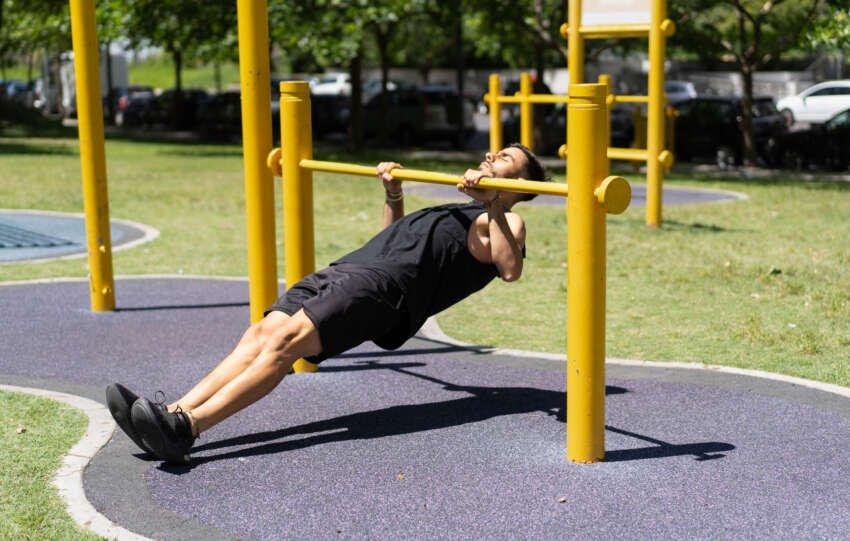
Barbell inverted rows are an underrated but incredibly valuable exercise for throwing athletes. While often overlooked in favor of heavier vertical pulling variations, such as pull-ups or weighted rows, the inverted row delivers a unique and targeted set of adaptations that are ideal for supporting shoulder health, scapular stability, and posterior…
Strength in Numbers #204
The MLB Combine is no longer just a testing event—it’s a career-defining performance lab experience. Since its debut in 2021, the Combine has transformed scouting into a data-centric process, where performance metrics, biomechanical analysis, and medical data tell the story beyond the stat sheet.
But here’s the real question: What’s being…
Strength in Numbers #203
In sports performance, residual training effects refer to the physiological capacities an athlete retains after ceasing training for a specified period. Understanding how strength, speed, power, and endurance decline during training breaks is crucial, especially for throwing athletes who require precise control over fatigue, capacity, and recovery to maintain their health…