Strength in Numbers - 263
One of the most common baseball training questions I get is...
"How do I improve my hip-shoulder separation?"
But the better question is...
"Am I using the separation I already have?"
Many athletes believe that more separation automatically means more velocity.
While separation is one of the most important characteristics of elite pitchers and…

Strength in Numbers - 262
For years, Pedro Strop was one of Major League Baseball's most dominant relievers. Armed with a fastball that routinely touched the upper 90s and an upper body that rivaled a bodybuilder, he carved out a remarkable 13-year career.
Having coached Pedro early in his career with the Baltimore Orioles, I can say with confidence…
Strength in Numbers - 261
Every athlete wants to throw harder. We 100% know that, and that risk isn't necessarily in throwing harder...
It's in throwing harder without a throwing-monitoring process.
Athletes who improve the most don't simply train harder — they build better systems, and when the arm increases throwing arm speed, you need to ensure it can…
Strength in Numbers - 260
Most throwing arm exercises are performed with your hands in the air.
But what happens when your hands are on the ground?
Training in a handstand or other inverted positions changes how the shoulder works.
Instead of the arm moving around the shoulder blade (open-chain exercise), your hands become the…
Strength in Numbers - 259
When people talk about a "strong arm," they usually think about velocity.
But at ArmCare, we think about capacity.
A truly strong throwing arm isn't just capable of producing force—it can repeat it, recover from it, and stay healthy throughout an entire season.
One of the simplest ways to understand this is through ArmScore,…
Strength in Numbers - 258
What can adding 6 MPH of exit velocity do for a hitter?
Research on ball flight tells us that a 6 MPH increase in exit velocity can add roughly 25–35 feet of carry distance, turning warning-track outs into home runs and routine ground balls into extra-base hits.
We are going…
Strength in Numbers - 257
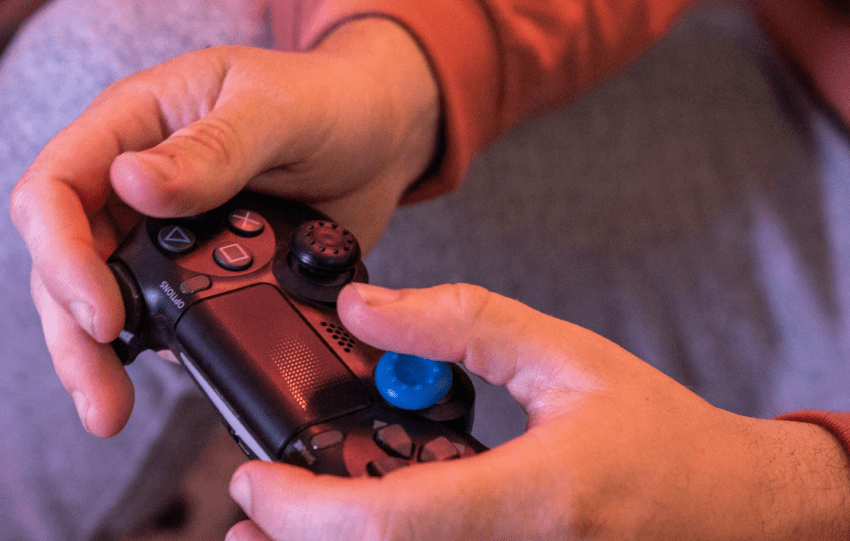
Most baseball players spend hours each night on their phones, computers, gaming systems, or streaming content.
The problem isn't necessarily the technology. It's what that technology does to your nervous system before bed. Your body operates on a built-in clock called the circadian rhythm.
During the day, the brain promotes…
Strength in Numbers - 256
When coaches talk about velocity, they usually focus on the throwing arm. However, one of the biggest keys to performance is the arm that never releases the baseball.
The glove arm plays a critical role in velocity, command, timing, and durability.
I know firsthand, from working with pitchers and position…
Strength in Numbers - 255
Whether you're a pitcher trying to throw harder or a hitter trying to drive the baseball farther, rotational power is one of the biggest performance separators in the game.
But power isn't enough.
You must first create rotational stability and decelerate to create a throwing arm or bat whip.
On…
Strength in Numbers - 254
One of the most overlooked parts of arm care is stabilization training because throwing isn't just about creating force — it's about controlling force.
The shoulder and elbow must constantly react to movement, vibration, and stress while remaining stable at high speeds. That's why vibration drills, perturbation training, and unstable…