Strength in Numbers #192
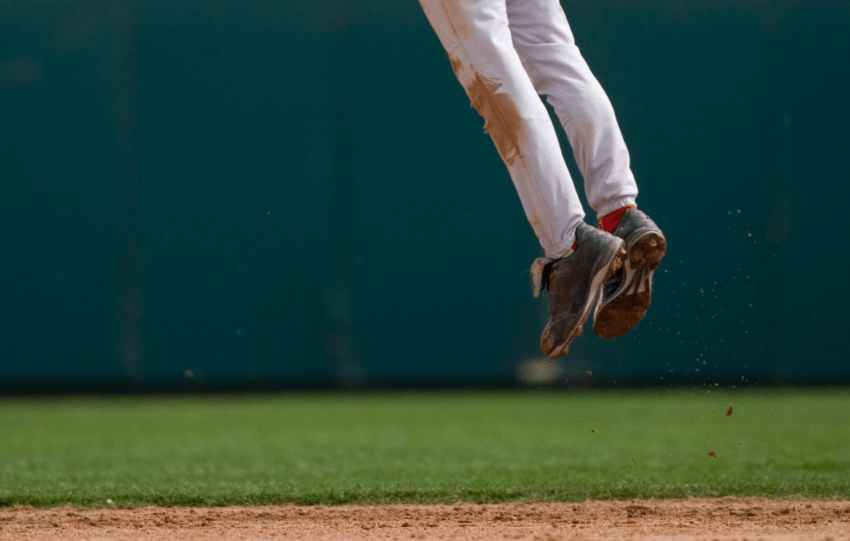
Vertical jump testing is a widely recognized measure of lower-body power and overall athleticism. While commonly associated with sports like basketball and volleyball, recent research has explored its relevance to baseball pitchers, particularly concerning throwing velocity and potential injury risks.
At Louisiana Tech, we have a baseball science undertaking that is…
Strength in Numbers #191
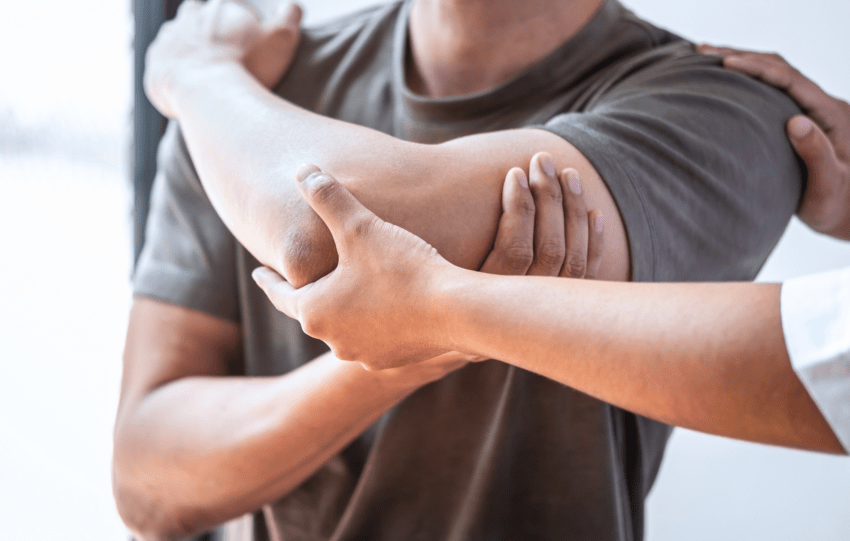
Superior Labrum Anterior to Posterior (SLAP) tears are injuries to the shoulder's labrum, a cartilage ring surrounding the shoulder joint's socket.
These injuries are particularly prevalent among throwing athletes due to the repetitive overhead motions inherent in sports like baseball and softball.
Management of SLAP tears typically involves either surgical intervention…
Strength in Numbers #190
The early season is the danger zone for ulnar collateral ligament (UCL) sprains—the injury that leads to Tommy John Surgery.
Therefore, the critical time is now.
To follow up on our recent article about skyrocketing Tommy John Surgery cases, this week’s newsletter takes a deeper dive into the science of four…
Strength in Numbers #189
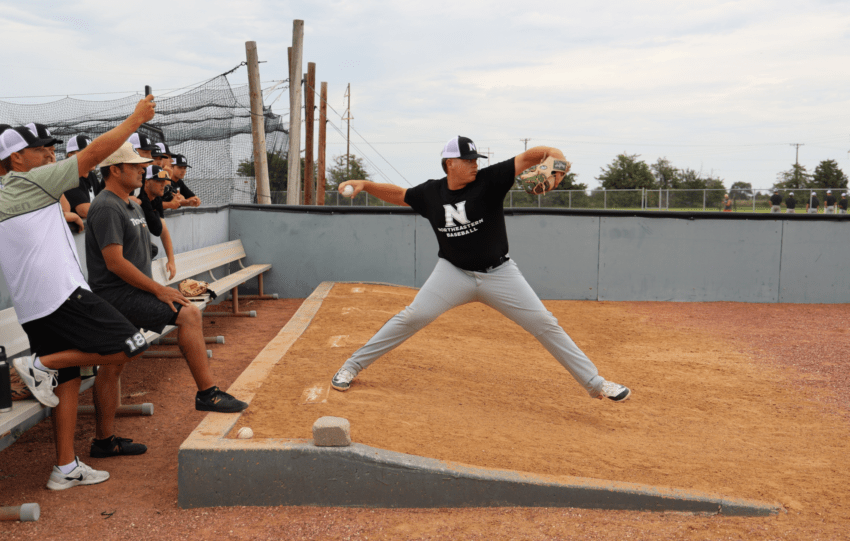
Managing bullpen sessions effectively is crucial for baseball pitchers to maintain peak performance and minimize injury risk. Proper scheduling, pitch counts, and recovery protocols are essential components of a well-structured bullpen regimen.
For the athletes seeking my help with SLAP tears and ulnar collateral ligament injuries, I cannot tell you how…
Strength in Numbers #188
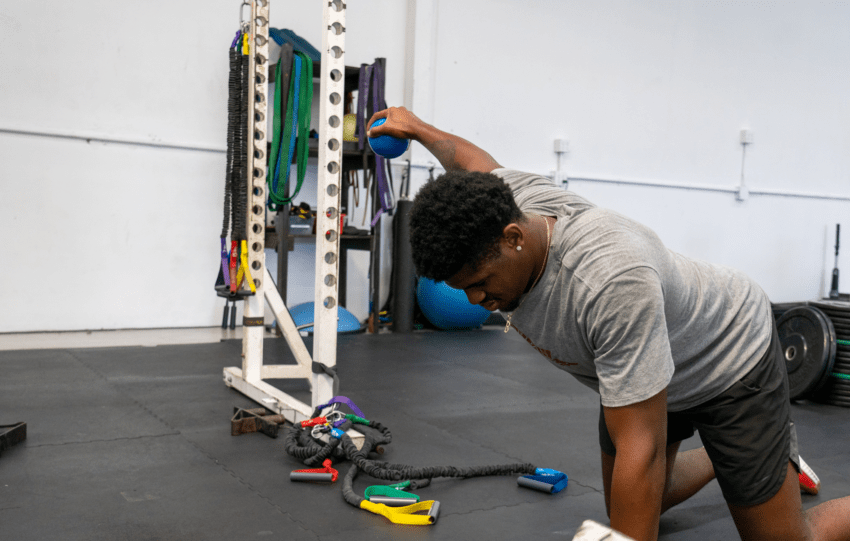
In athletic training, particularly for throwing athletes, incorporating exercises such as quadruped, bird dog, low plank, and high plank positions has garnered attention for their multifaceted benefits on core function.
These exercises enhance upper body strength and stability and play a pivotal role in activating key muscles, optimizing neuromuscular coordination, and…
Strength in Numbers #187
A well-balanced body is crucial in baseball for optimizing performance and preventing injuries. While most training programs focus heavily on the dominant throwing arm, research shows that training the non-dominant (glove-side) arm can significantly enhance throwing power and durability.
This is due to a phenomenon called cross-education, where strength gains in…
Strength in Numbers #186
In today’s digital age, video games have become a favorite pastime for athletes, including baseball players who play into the wee hours of the morning, on off days, and in the clubhouse.
Although fun, video games present risks when habitual and excessive.
If you are an athlete who goes to video…
Strength in Numbers #185
Thoracic Outlet Syndrome (TOS) is a complex condition that has become increasingly recognized as a significant issue among baseball pitchers.
This syndrome involves compression of the neurovascular structures—nerves, arteries, and veins—passing through the thoracic outlet, a narrow passageway between the collarbone and first rib.
The unique demands of throwing at high…
Strength in Numbers #184
The way athletes move—whether swinging a bat, throwing a ball, or sprinting—can feel as natural as breathing. However, behind these movements lies a fascinating interplay of motor preferences and motor patterns.
In this edition, we delve into motor preferences in sports, focusing on throwing mechanics. Why do some pitchers gravitate toward…
Strength in Numbers #183
The Romanian Deadlift (RDL) is a staple in strength and conditioning programs. It is widely regarded for its ability to develop posterior chain strength and flexibility.
This exercise has become popular due to its versatility, injury prevention benefits, and functional carryover to athletic performance, particularly for baseball pitchers and sprinters.
In…