Strength in Numbers – 260
Most throwing arm exercises are performed with your hands in the air.
But what happens when your hands are on the ground?
Training in a handstand or other inverted positions changes how the shoulder works.
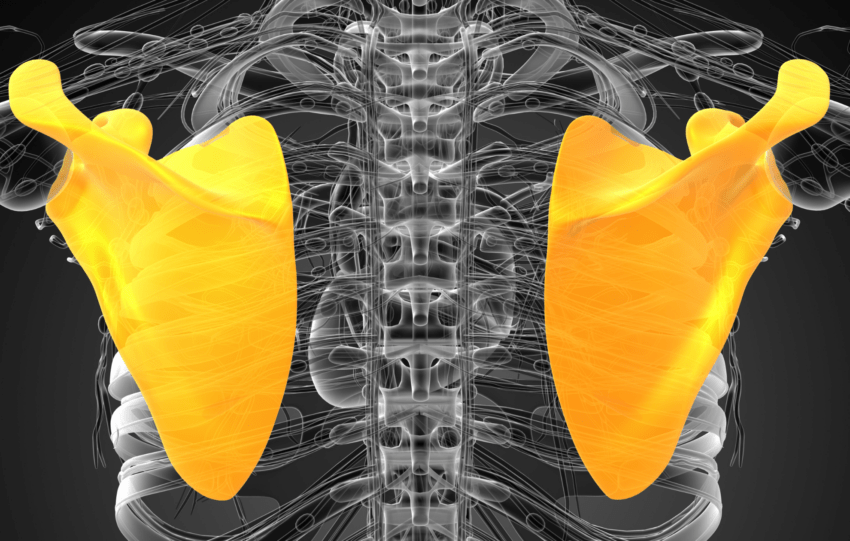
Instead of the arm moving around the shoulder blade (open-chain exercise), your hands become the fixed point, and the shoulder blade glides along the rib cage (closed-chain exercise). This completely changes how the muscles around the shoulder stabilize and produce force.
The free-standing handstand challenges the core and the scapular stabilizers’ ability to support body weight in an inverted position.
Training the “Boxer’s Muscle”
One of the biggest winners is the serratus anterior—often called the “boxer’s muscle.”
This muscle wraps around the rib cage and helps rotate and stabilize the shoulder blade when the arm is overhead. During pitching and hitting, the serratus works from arm layback through ball release to position the arm, transfer force, and maintain a consistent release point.
When it fatigues, athletes often compensate by dropping the arm slot, leaning excessively toward the glove side, or placing additional stress on the shoulder and elbow.
Properly progressed handstand training starting with the high plank position can uniquely challenge these muscles.
Because your body weight is transmitted through the arms, the shoulder learns to stabilize under higher loads while the muscles surrounding the shoulder blade work together to keep the joint centered.
This “co-contraction” improves dynamic stability—an essential quality for athletes who repeatedly throw or swing at high speeds.
Progression to Avoid Regression
Like any advanced exercise, handstands require progression.
Athletes should first demonstrate excellent shoulder mobility, trunk control, and pain-free overhead movement before progressing to wall-supported handstands or inverted holds.
If shoulder, wrist, neck, or elbow pain develops, the exercise should be stopped, and technique reassessed. Young athletes should master simpler closed-chain exercises such as push-ups, bear crawls, and plank variations before spending significant time in inverted positions.
The goal isn’t simply learning to balance on your hands.
It’s teaching your shoulder blade to become stronger, more coordinated, and more resilient under load—qualities that help transfer force more efficiently while protecting the shoulder and elbow during high-velocity throwing.
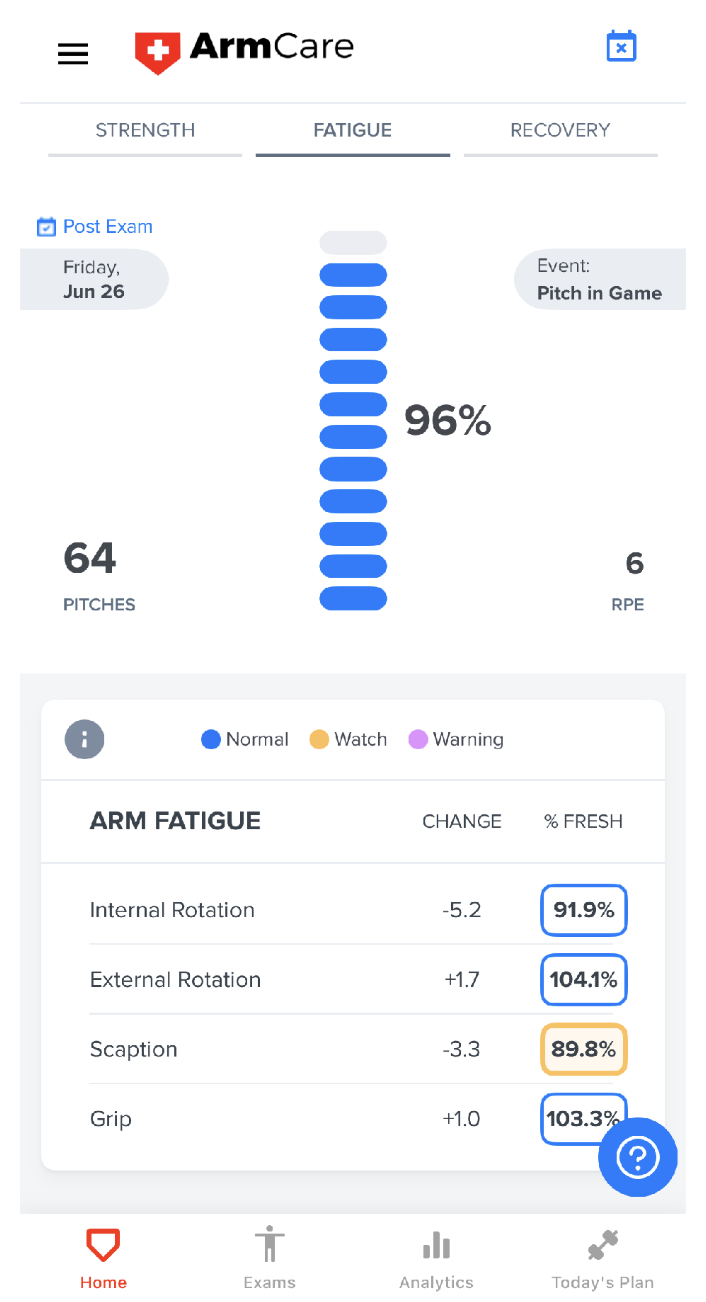
Scaption fatigue could be mitigated by closed-chain upper-body training, such as planks, bear crawls, and handstand variations.
Check your post-exam strength measures to see how well your muscles hold the charge in scaption, as it may be time to step up your training in a long-lever position with an extended elbow joint.
In my opinion, shoulder training should do more than strengthen muscles—it should prepare the entire kinetic chain to handle the demands of competition and teach your arm to control your body rather than just teaching your body to control your arm.
Sometimes, the best way to move your game forward is to look at training from a completely different perspective and get your hands on the ground.
Check out the video below to see how to use a wall to help you achieve the handstand position, and consider starting with the advanced high plank with your feet elevated on the wall.
Strength Matters Most.
Ryan