Skip to content Skip to sidebar Skip to footer

All Posts

Secret Ingredients During the Holiday Season

Strength in Numbers #228 Thanksgiving is a time to reflect on the people, the experiences, and the season behind you, and to reframe your mind for the offseason ahead.  Family gatherings are restful for some, turbulent for others.   In the past, I have communicated the importance of deloading the throwing volume and reloading the arm…

Read more

Yoshinobu Yamamoto: The Art & Science of Pitching on Short Rest

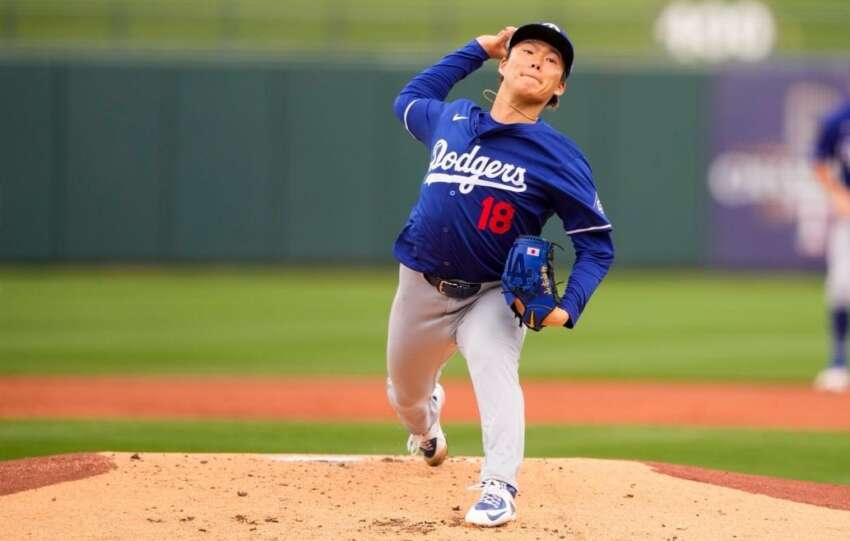
Strength in Numbers #227 We need to keep the conversation on Yoshinobu Yamamoto’s performance.  The 2025 World Series was a showcase of durability, precision, and adaptability rarely seen in modern baseball, but may be considered a new norm in years to come. In do-or-die situations, pitching on short rest — including back-to-back appearances — Yamamoto…

Read more

The Quiet Storm from Japan: Yamamoto’s 2025 World Series Masterclass

Strength in Numbers #226 Having worked closely with some of Japan’s most remarkable athletes, including Shohei Ohtani, I’ve witnessed firsthand the discipline, adaptability, and extraordinary work ethic that define Japanese baseball players. These athletes are masters of routine and resilience—able to handle immense workloads. However, once they come to the US, Asian players must…

Read more

Is Velocity Enhancement More Risk Than Reward? – Part 2

Strength in Numbers #225 In last week’s Strength in Numbers, we went through the history of weighted ball training, the risk-reward aspects of it, and directed you to our Velocity Checklist.  The big picture theme is that baseball players, regardless of whether they are a pitcher, catcher, or position player, must test their arm strength.…

Read more

Is Velocity Enhancement More Risk Than Reward?

Strength in Numbers #224 About this time in the competitive season, I start to gulp.   Players finish a Fall season, they get itchy, and they want to immediately get off the mound and start throwing into a net with a high-powered run-and-gun. They do not give their arms a break; instead, they are ready…

Read more

How Throwing Arm Strength Translates to On-Field Success

Strength in Numbers #223 In our last Strength in Numbers, we hit on the problems with focused training on boosting maximum strength.  Showed evidence that the highest conversions are boosting lean mass, balancing the shoulder, and having greater contractile velocity.   However, in the high-performance world of baseball, throwing arm strength isn’t just about velocity —…

Read more

Why Max Lifts Don’t  Produce Fastball Velocity

Strength in Numbers #222 I often write articles connected to my athlete cases.   I have to say, at times, I experience frustration when our college pitchers are dominating, pain-free after years and years of arm pain, in a groove, throwing harder and smarter than ever, the arm strength is skyrocketing, shoulder balanced, recovery like an…

Read more

Olympian, MLB Veteran, and Hall of Famer Kris Benson Talks ArmCare and the Future of Pitching

Watch Listen Show Notes Former MLB pitcher and 1996 #1 overall draft pick Kris Benson joins the More Velocity Podcast to share his journey—from Clemson standout and Olympic medalist to Major Leaguer and now high school coach and ArmCare advocate. Benson discusses: How modern arm care could have changed his career - The evolution of…

Read more

Protecting Arms During Fall Ball

Strength in Numbers #221 Fall baseball has become a popular addition to the calendar for amateur and high school players, often stretching competitive activity from mid-March until late October.  While this provides valuable development opportunities, it also poses significant cumulative workload risks that players, parents, and coaches must be aware of. When workloads aren’t managed…

Read more

Rethinking Acute to Chronic Workload for Pitchers

Strength in Numbers #220 I have always been interested in how people attempt to predict fatigue in athletes and how fatigue contributes to mechanical overload, which can cause injury.  I went through two doctoral competency exams to become educated as an exercise physiologist first, and then delved deeply into physics to become a biomechanist.   I…

Read more